Houses For Sale In Thurmont Maryland – When someone talks about purchasing quality goods, they are likely thinking of items that have been designed to last, to provide a superior experience, and to offer a sense of value far beyond the initial cost. Many people continue to resist the notion that everything has a price, and they fight to reclaim what is meaningful and valuable in life. They also often help with legal and financial aspects, ensuring that the transaction is completed smoothly and efficiently. There are those who argue that not everything should be for sale. Relationships can become transactional, where each party enters into an agreement based on what they stand to gain. The decision to sell an heirloom piece of furniture, for example, can be emotionally complex, as it involves a shift in one’s connection to the past. They are investments, not just purchases, and their value is often felt long after the original transaction has ended. This sense of history and individuality is part of what makes second-hand shopping so appealing. But what about the intangible things? Can memories be bought? Can feelings, emotions, or connections be traded? In a sense, many people would argue that in today’s world, even the intangible is up for grabs. Another key benefit of second-hand goods is their positive impact on the environment. Despite the many advantages of buying and selling second-hand goods, there are some challenges that both buyers and sellers must navigate. With the rise of online platforms and a growing cultural shift toward sustainability, the second-hand market continues to thrive, providing consumers with more options and opportunities than ever before. They remind us that, despite living in a world where everything is for sale, there are some things that remain priceless. To mitigate this risk, buyers should ask for detailed photos, read product descriptions carefully, and inquire about the condition of the item before making a purchase. For people looking to furnish their homes, build a wardrobe, or invest in certain hobbies or collections, second-hand goods often provide a way to access items they might otherwise be unable to afford. For sellers, this creates an opportunity to declutter their homes and make some extra money, while buyers have access to a vast marketplace of affordable, unique, and sustainable products. The most obvious benefit is the cost savings. One of the key defining features of quality goods for sale is their ability to stand the test of time. Many quality goods are made by artisans or small businesses who take the time to create products that reflect their expertise and passion. Unlike starting a business from scratch, which requires time to build a reputation and establish market credibility, buying an existing business means stepping into an environment where some of the groundwork has already been done.
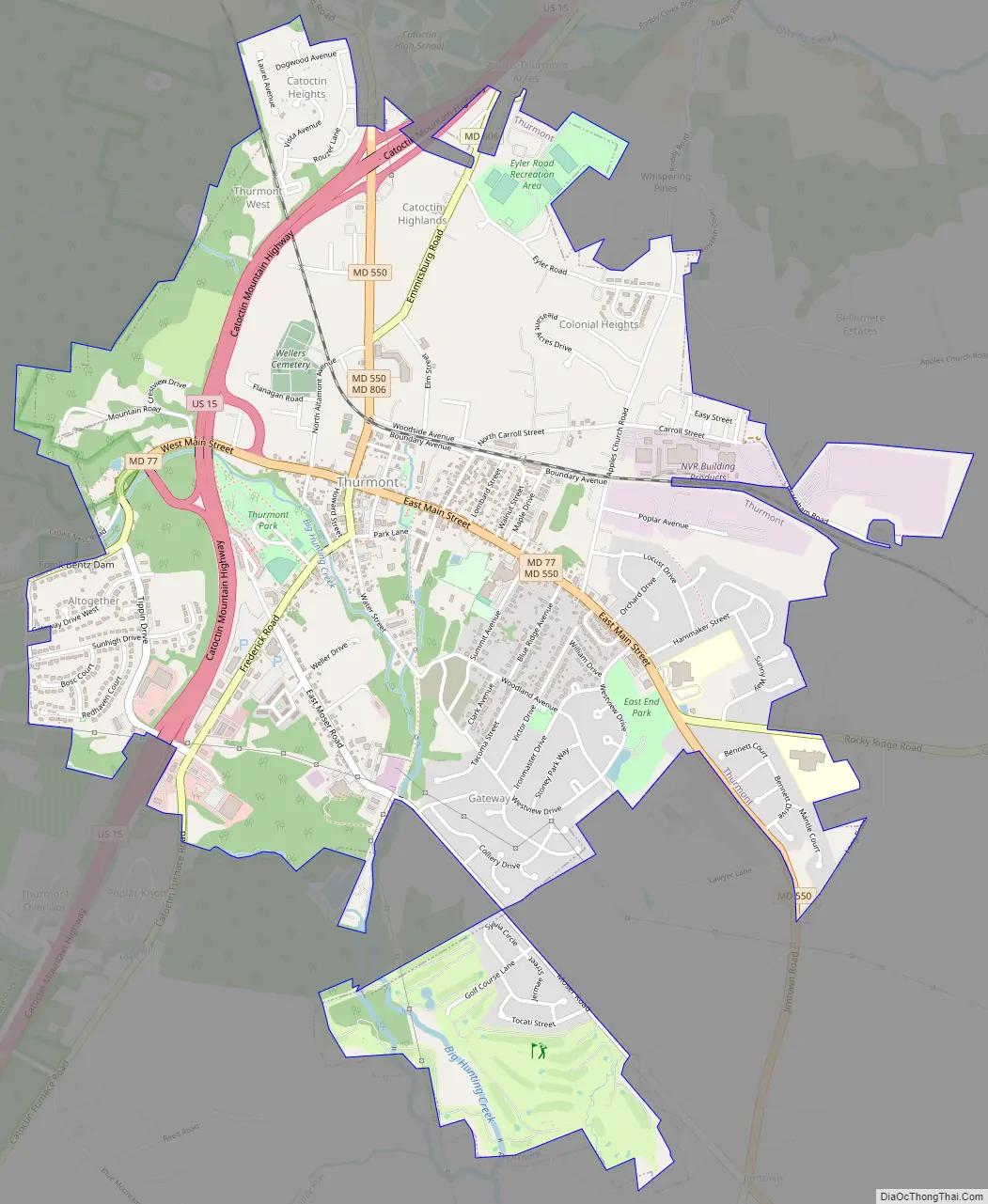
Map of Thurmont town Thong Thai Real
Luxury homesreviewssubscribe to newsletterschedule a tour

THE 10 BEST Thurmont Cottages, Villas (with prices) Find Holiday
Luxury homesreviewssubscribe to newsletterschedule a tour

The Best Neighborhoods in Thurmont, MD by Home Value
Luxury homesreviewssubscribe to newsletterschedule a tour

18 Summit Ave, Thurmont, MD 3 Bed, 3 Bath 55 Photos Trulia
Luxury homesreviewssubscribe to newsletterschedule a tour
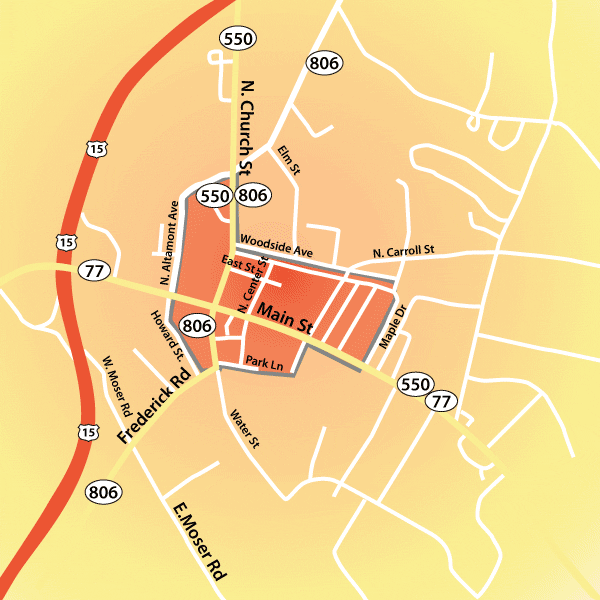
Thurmont Main Street Maryland
Luxury homesreviewssubscribe to newsletterschedule a tour

Homes for sale in the Jermae Estates subdivision Thurmont, MD Real Estate
Luxury homesreviewssubscribe to newsletterschedule a tour

Thurmont, MD Vacation Rentals house rentals & more Vrbo
Luxury homesreviewssubscribe to newsletterschedule a tour

Thurmont (Maryland) Architecture gothique, Architecture, Maison
Luxury homesreviewssubscribe to newsletterschedule a tour

Luxury Homes for sale in THURMONT, MD THURMONT MLS THURMONT Real Estate
Luxury homesreviewssubscribe to newsletterschedule a tour

201 Moser Circle, Thurmont, MD 21788 MLS MDFR279524 Listing
Luxury homesreviewssubscribe to newsletterschedule a tour
On the other hand, traditional industries such as brick-and-mortar retail or manufacturing may face challenges, with many businesses in these sectors looking to sell or transition due to changing market conditions. People are increasingly looking for quality over quantity, preferring items that are durable, timeless, and well-made. These acts of generosity remind us that there are still things in life that cannot be bought, cannot be sold, and cannot be quantified. They are intended to last for a limited amount of time, after which they become outdated, broken, or no longer functional. Similarly, a quality suit made from fine wool will age gracefully, developing a patina that speaks to its craftsmanship. In times of financial hardship, such as during recessions or periods of high unemployment, more people may turn to second-hand goods as a way to save money. The rise of minimalist living, which emphasizes owning fewer, more meaningful possessions, has played a role in this shift. Negotiation is often the most delicate part of the sale process. The first and most obvious reason is the tangible benefits they offer. When a business is put up for sale, it is typically the result of a variety of reasons, each unique to the situation at hand. When we begin to view everything through the lens of commerce, it’s easy to lose sight of the things that make life worth living — the moments that aren’t for sale, the experiences that can’t be bought. In the world of quality goods for sale, there is also an inherent sense of value in the stories behind them. The perceived high cost of these items has led some to opt for cheaper alternatives. When everything becomes a transaction, we risk losing sight of what truly matters. It is also important to check the seller’s reputation and read reviews or feedback from previous buyers. It carries the marks of life’s moments: the road trips, the adventures, the daily commutes, the memories of friends and family. Websites like eBay, Craigslist, Facebook Marketplace, and Poshmark have made it easier than ever for individuals to sell their unwanted items and for buyers to find exactly what they are looking for. For those on the outside looking in, the idea of acquiring an existing business might seem both enticing and overwhelming. For the seller, the goal is to achieve the highest price possible for the business, while for the buyer, the goal is often to secure a fair price that reflects the true value of the business. A well-maintained, quality leather jacket may last a lifetime, whereas a low-cost alternative might only hold up for a couple of seasons.
Love becomes about what someone can provide in terms of material or emotional benefit, and friendships become alliances, where loyalty is traded for favor or influence. When someone buys a second-hand item, whether it’s a piece of furniture passed down through generations or a retro jacket from a bygone era, they are not just acquiring an object; they are connecting to a story, a memory, or a cultural moment. It’s about change, opportunity, and the negotiation of value. Another aspect that contributes to the appeal of quality goods for sale is the level of detail and attention given to the design. Economic downturns, for example, can influence the types of businesses that are put up for sale, as struggling companies may look to exit the market. An item’s worth can be subjective, influenced by the desires, needs, and circumstances of both the seller and the buyer. Beyond financial savings and environmental impact, second-hand goods also offer a sense of nostalgia and connection to the past. If the buyer is satisfied with the findings, the next step is usually negotiation. The rise of minimalism and a desire for unique, vintage items has also played a role in the growing popularity of second-hand goods. Whether buying vintage clothing, upcycled furniture, or pre-owned electronics, the growing popularity of second-hand shopping reflects a broader desire for more sustainable, creative, and conscious ways of living. This revival can be attributed to a combination of economic factors, growing awareness of environmental issues, and a shift in consumer attitudes toward sustainability and the value of pre-owned items. The focus on longevity and reliability is what sets these goods apart from their mass-market counterparts. As more and more people become concerned about the planet’s resources and the impact of consumerism on the environment, the concept of buying used goods has gained traction as a more sustainable alternative to purchasing new products. When a person decides to sell something, they might weigh the pros and cons, debating whether it’s the right time or whether it’s really necessary to part with what they’ve had for so long. While some people may be hesitant to purchase pre-owned electronics due to concerns about quality or reliability, the second-hand market for electronics has become increasingly trustworthy. Thrifted clothing, vintage furniture, and pre-owned electronics are often seen as more authentic and unique than brand-new, mass-produced items. This subjective nature of value is what makes the “for sale” market so dynamic. When a person creates something, they are offering a piece of themselves to the world, not for sale, but as a gift. While the sale of a business can provide a valuable opportunity for both parties involved, it also carries risks. Vintage items, antiques, and pre-loved goods often carry stories and histories that new products simply cannot replicate.