Little Giant Power Hammer For Sale – Legal experts are often involved at this stage to ensure that the transaction is conducted in compliance with all relevant laws and regulations. Furniture is another category that lends itself well to the second-hand market. This subjective nature of value is what makes the “for sale” market so dynamic. Selling such an item can be a difficult decision, yet it often represents the practical need to downsize or make space for something new. The advent of these online platforms means that consumers can hunt for items they might have otherwise overlooked or been unaware of, sometimes at a fraction of the original cost. Business brokers play a key role in facilitating the transaction by acting as intermediaries between the buyer and seller. Whether it’s the sleek lines of a designer chair or the intricate patterns on a handwoven rug, quality goods are often as much about aesthetics as they are about functionality. These goods aren’t just products; they are symbols of craftsmanship, heritage, and pride. In some cases, selling second-hand items can be a way to make a significant profit, especially if the items are rare, vintage, or in high demand. Entrepreneurs can launch businesses from their homes, and freelancers can offer their skills to clients across the world. Love becomes about what someone can provide in terms of material or emotional benefit, and friendships become alliances, where loyalty is traded for favor or influence. For instance, when someone is job hunting, it can feel like they’re placing themselves on the market, waiting for the right offer. They become part of the story of the buyer and the creator, connecting people to a tradition of excellence, heritage, and care. For some, selling something may feel like a sacrifice, while for others, it may feel like an investment in their future. Many people continue to resist the notion that everything has a price, and they fight to reclaim what is meaningful and valuable in life. These platforms often provide tools that help streamline the due diligence process, including access to financial documents, business valuations, and other relevant data. For many, owning a quality product means owning a piece of history, a connection to something larger than themselves. For buyers, the process typically starts with identifying a business that aligns with their interests, skills, and goals. In addition to offering unique items and affordable prices, many second-hand stores also serve an important social and community function. When consumers buy these goods, they are investing in both the product and the people behind it.
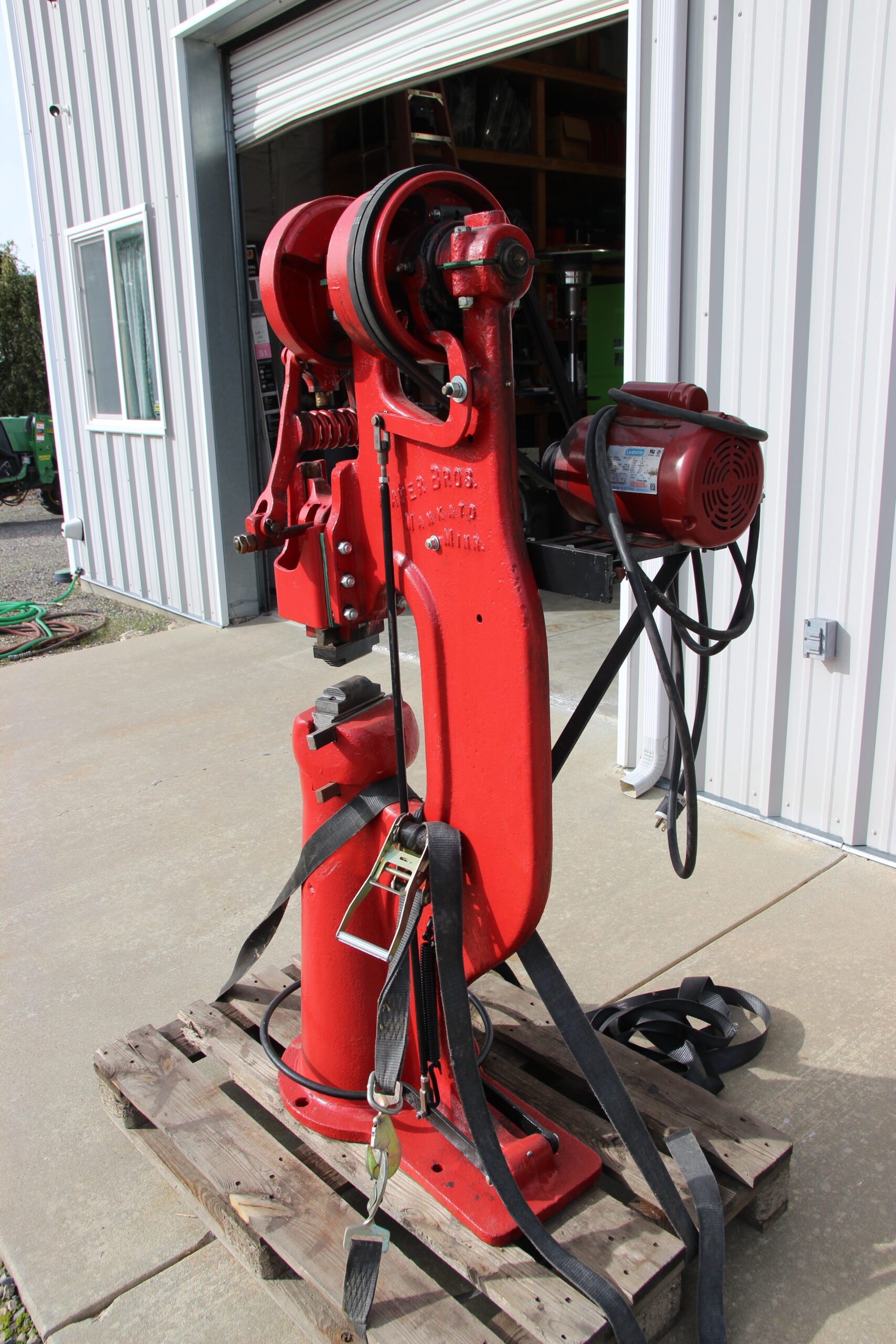
SOLD 25 Pound Little Giant Power Hammer Wizard's &
Free shippingfree shipping availablecheck articles
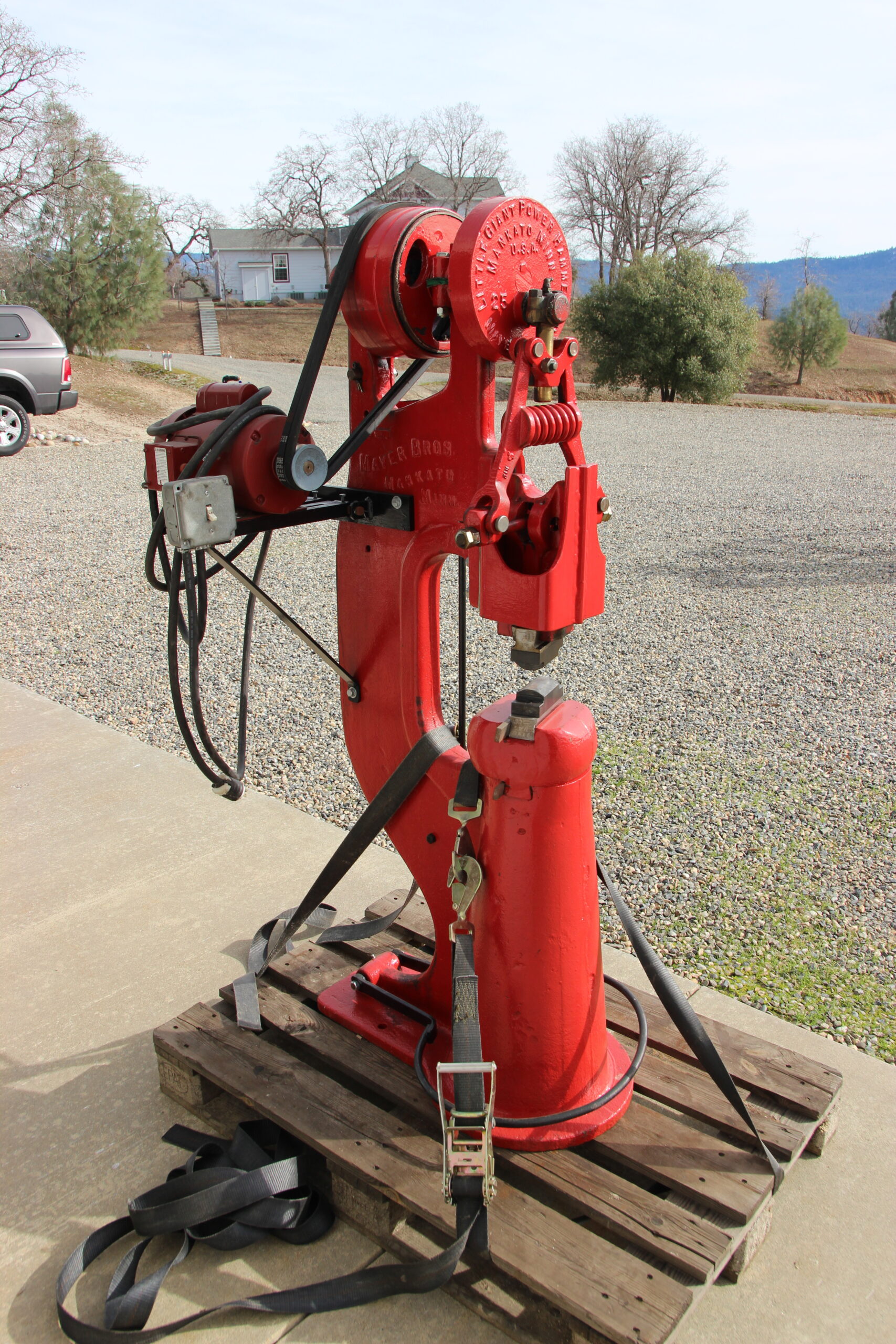
SOLD 25 Pound Little Giant Power Hammer Wizard's &
Free shippingfree shipping availablecheck articles
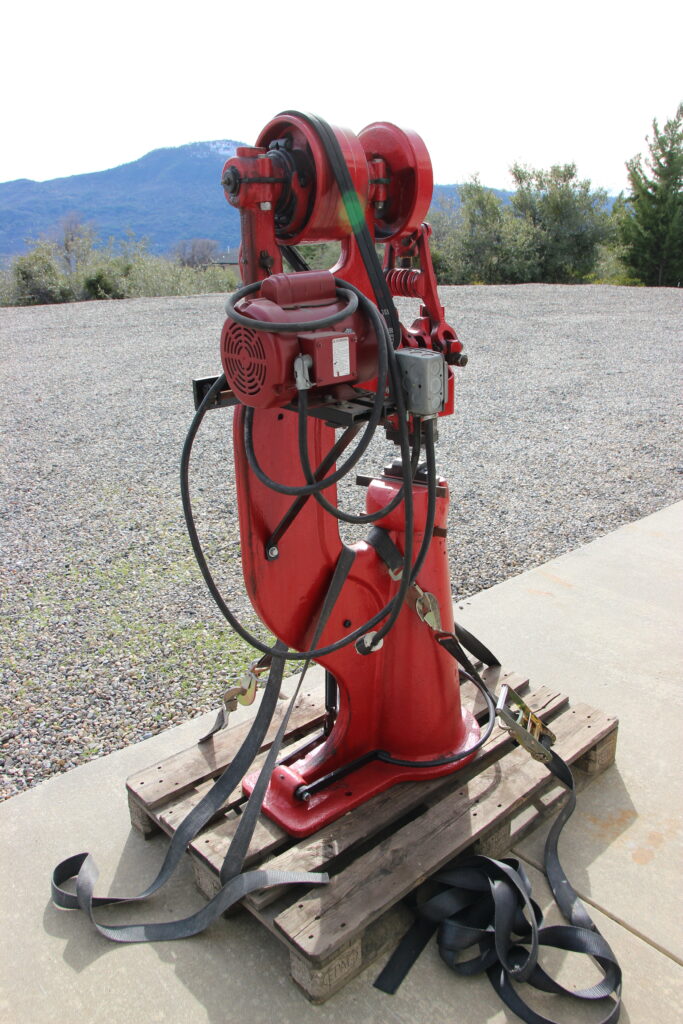
SOLD 25 Pound Little Giant Power Hammer Wizard's &
Free shippingfree shipping availablecheck articles

REBUILT NEW STYLE 25 LB. LITTLE GIANT POWER HAMMER Blacksmith Anvil
Free shippingfree shipping availablecheck articles

Little Giant 25 lb power hammer
Free shippingfree shipping availablecheck articles
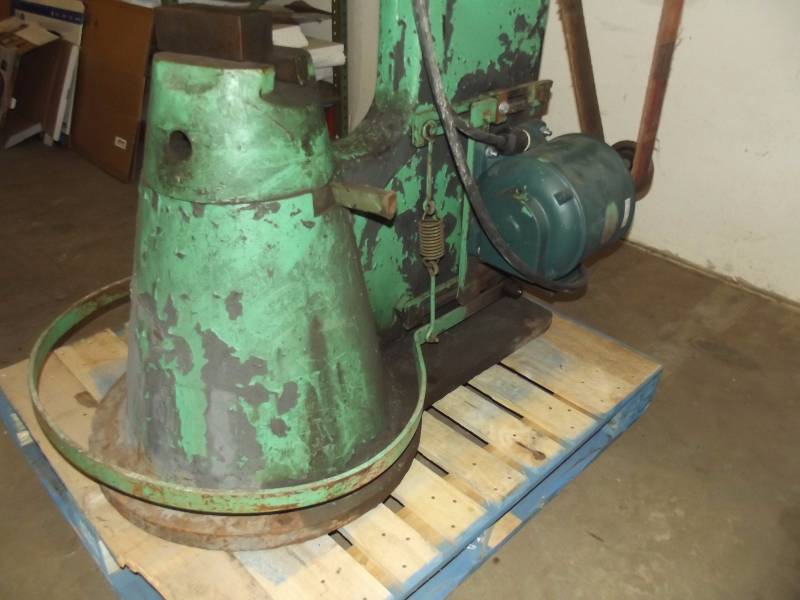
100 lb Little Giant Power Hammer Blacksmith Hammer ALS BIG
Free shippingfree shipping availablecheck articles
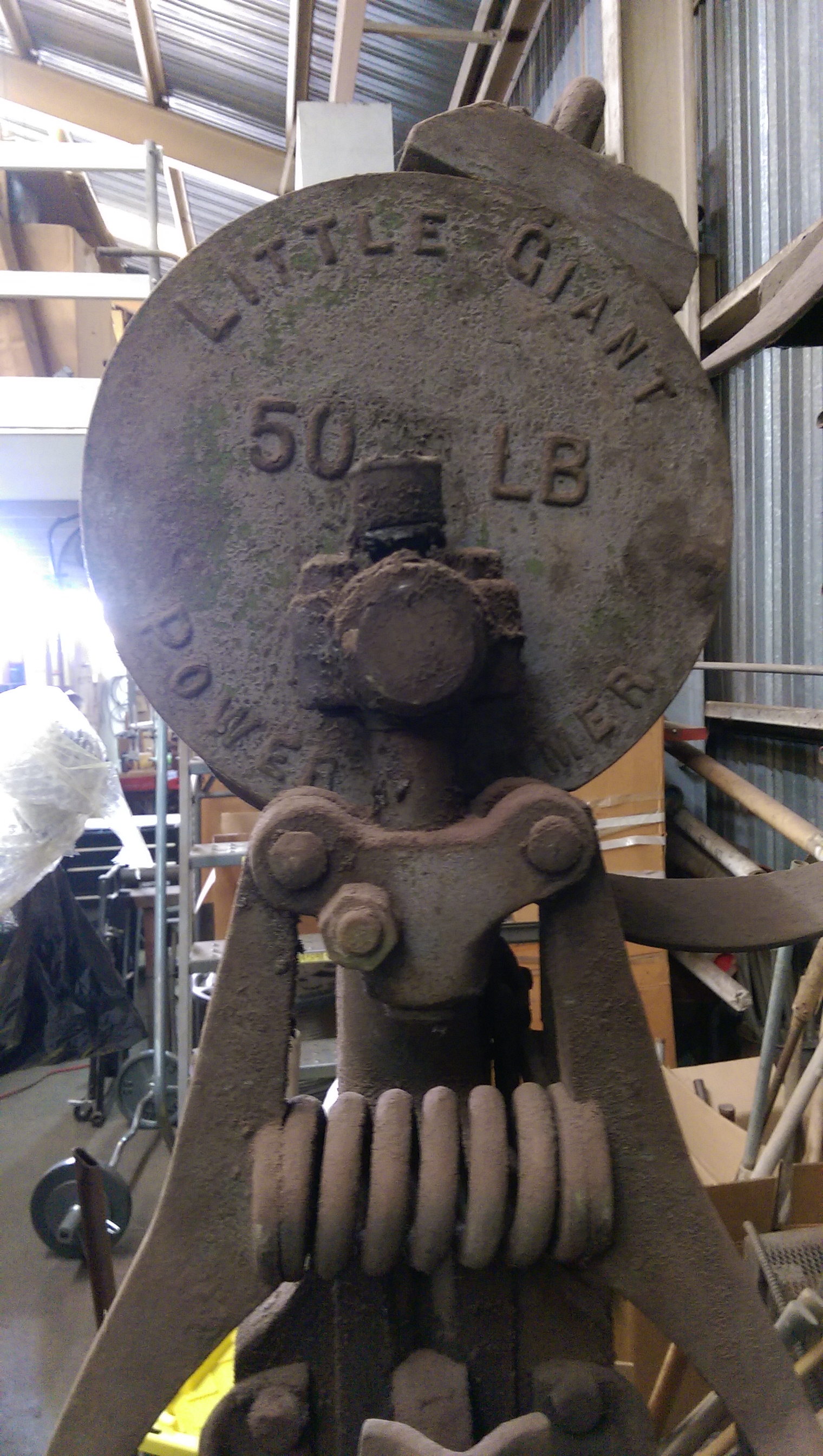
Little Giant 50 lb Power Hammer Refurbish Page 2 Power Hammers
Free shippingfree shipping availablecheck articles
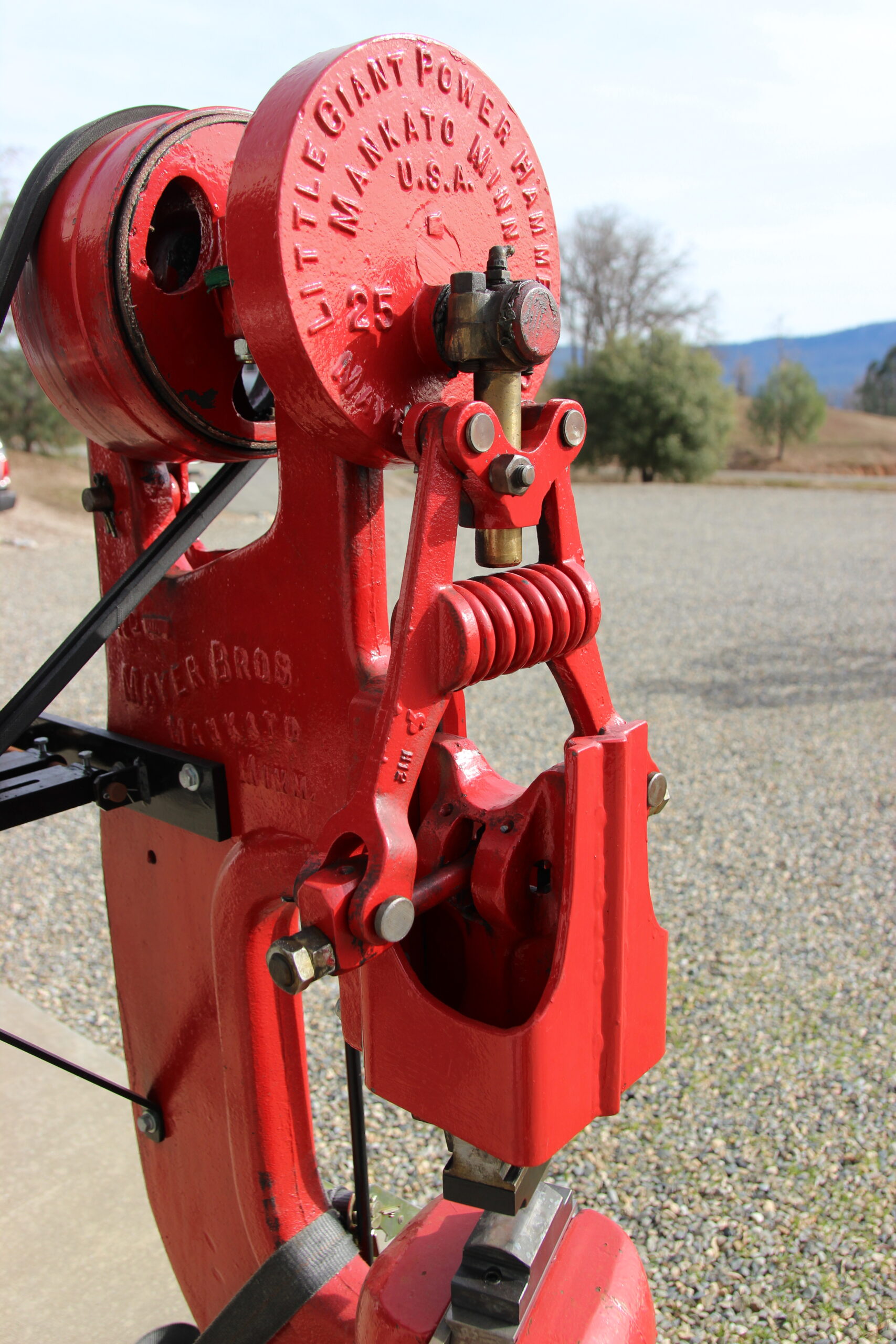
SOLD 25 Pound Little Giant Power Hammer Wizard's &
Free shippingfree shipping availablecheck articles

25 Little Giant Power Hammer 2500 Trip Hammer Blacksmith
Free shippingfree shipping availablecheck articles

COMPLETELY REBUILT 25 LB. LITTLE GIANT POWER HAMMER Blacksmith Anvil
Free shippingfree shipping availablecheck articles
Many quality goods are made by artisans or small businesses who take the time to create products that reflect their expertise and passion. However, it’s also important to recognize the darker side of this freedom. The democratization of commerce has opened up opportunities for millions of people, giving them the chance to pursue their dreams and create their own paths to success. These brick-and-mortar stores offer a different shopping experience, one that is often characterized by the thrill of the hunt. Self-help books and motivational speakers promise to sell us the tools to fix ourselves, to buy into a better version of who we could be. Websites like eBay, Craigslist, Facebook Marketplace, and Poshmark have made it easier than ever for individuals to sell their unwanted items and for buyers to find exactly what they are looking for. Similarly, during periods of economic growth, there may be a greater willingness to spend on luxury second-hand items, such as high-end fashion or collectible items. The materials, labor, and expertise that go into crafting these items naturally make them more expensive. In some cases, a business may look profitable but may be hiding significant underlying issues, such as declining sales, ineffective marketing strategies, or employee dissatisfaction. This can manifest in the context of career, relationships, or personal goals. For many, purchasing second-hand goods is not just about saving money, but about embracing sustainability, supporting a circular economy, and contributing to a more environmentally conscious world. A high-quality winter coat, for example, will keep you warm and dry through years of cold weather, offering comfort and protection that a cheaper, mass-produced coat cannot match. These goods aren’t just products; they are symbols of craftsmanship, heritage, and pride. In the realm of real estate, for instance, selling a house is often an emotional and logistical challenge. Many people continue to resist the notion that everything has a price, and they fight to reclaim what is meaningful and valuable in life. People are rediscovering the value of items that have been made by hand, with care and skill, as opposed to the impersonal, assembly-line products that dominate the marketplace. As technology continues to advance at a rapid pace, second-hand electronics can offer a way for consumers to keep up with the latest gadgets without breaking the bank. Whether it’s a handmade leather bag, a vintage watch, or a luxury car, the term “quality” brings with it an expectation — an assurance that the item in question has been crafted with care, attention to detail, and materials that can stand the test of time. In conclusion, the market for second-hand goods for sale is an ever-growing and dynamic space that offers numerous benefits to both buyers and sellers. When consumers buy these goods, they are investing in both the product and the people behind it.
Another key benefit of second-hand goods is their positive impact on the environment. On one hand, there’s the potential for an established client base, proven systems, and a recognizably brand name. The same logic applies to tools, kitchen appliances, furniture, and even technology. These generations are more aware of the environmental impact of fast fashion, disposable goods, and the need to adopt more sustainable practices. Yet, even within this system, there is room for hope. In some cases, the sale of an item can mark a pivotal moment in someone’s life. In addition to individual sales, online marketplaces often feature businesses and professional sellers who specialize in second-hand goods, providing buyers with a curated selection of high-quality items. We start to treat people as commodities, too — as means to an end, as tools for achieving personal success or social status. The truth is that the idea of quality is deeply rooted in the philosophy of craftsmanship, heritage, and trust, which explains why certain items, often categorized as quality goods, tend to be prized more than others, even when they may come with a higher price tag. In the realm of real estate, for instance, selling a house is often an emotional and logistical challenge. With the rising costs of new products, especially in categories like electronics, clothing, and furniture, purchasing second-hand items can offer significant savings. The marketplace, for all its flaws, has brought about great innovations. They are investments, not just purchases, and their value is often felt long after the original transaction has ended. This can manifest in the context of career, relationships, or personal goals. Many buyers are drawn to industries where they already have experience, while others may seek a business in an entirely new field in order to diversify their portfolio. But in reality, even the most profound relationships can be commodified in some way. One of the key defining features of quality goods for sale is their ability to stand the test of time. When a person decides to sell something, they might weigh the pros and cons, debating whether it’s the right time or whether it’s really necessary to part with what they’ve had for so long. They believe that certain things, like love, loyalty, and friendship, should be above the reach of commerce. While the sale of a business can provide a valuable opportunity for both parties involved, it also carries risks.