Funktion One Psm318 For Sale – Despite the many advantages of buying and selling second-hand goods, there are some challenges that both buyers and sellers must navigate. What was once limited to boutique shops or high-end department stores can now be purchased from the comfort of one’s home. The same logic applies to tools, kitchen appliances, furniture, and even technology. This can be particularly advantageous for entrepreneurs who might have experience in business operations but lack the time or resources to build a new venture from the ground up. The idea that everything has a price, and that everything is for sale, may seem like a grim outlook, but it’s one that has become increasingly true. For the seller, the goal is often to maximize the value of the business, which requires a clear understanding of the company’s assets, liabilities, and future earning potential. The object becomes more than just an object – it transforms into a transaction, an exchange of value. This shift in mindset has contributed to a growing acceptance and even celebration of second-hand shopping, making it a mainstream activity that is not just about saving money but about making more thoughtful and responsible choices. Many high-quality products come with a rich history, whether it’s the legacy of a renowned brand or the personal touch of a local maker. With just a few clicks, consumers can browse through thousands of listings for second-hand items from all over the world. The due diligence process helps the buyer understand the risks involved, the company’s market potential, and any legal or operational hurdles that may exist. As more and more people become concerned about the planet’s resources and the impact of consumerism on the environment, the concept of buying used goods has gained traction as a more sustainable alternative to purchasing new products. We are all participants in a vast, interconnected economy, one that doesn’t just involve physical goods but extends to ideas, relationships, and even identities. These concepts, they say, are too sacred, too important to be reduced to mere transactions. In the end, the phrase “for sale” is about more than just the exchange of money for goods or services. This is particularly evident in industries such as furniture, clothing, and electronics. One of the primary reasons people turn to second-hand goods for sale is financial. It’s a moment of transition, and as with all transitions, it brings with it both excitement and uncertainty. When everything becomes a transaction, we risk losing sight of what truly matters. But in the end, whether it’s an item or an individual, the process of being “for sale” is a negotiation of worth, a moment of exchange.

FunktionOne PSM318 DJ Monitor Coherent Distribution
4.5/5 (457 reviews)

FUNKTIONONE PSM318 DJ MONITOR PACKAGE Audio Systems
4.5/5 (457 reviews)

Funktion One PSM318 DJ Monitors Pair Deck Converters
4.5/5 (457 reviews)
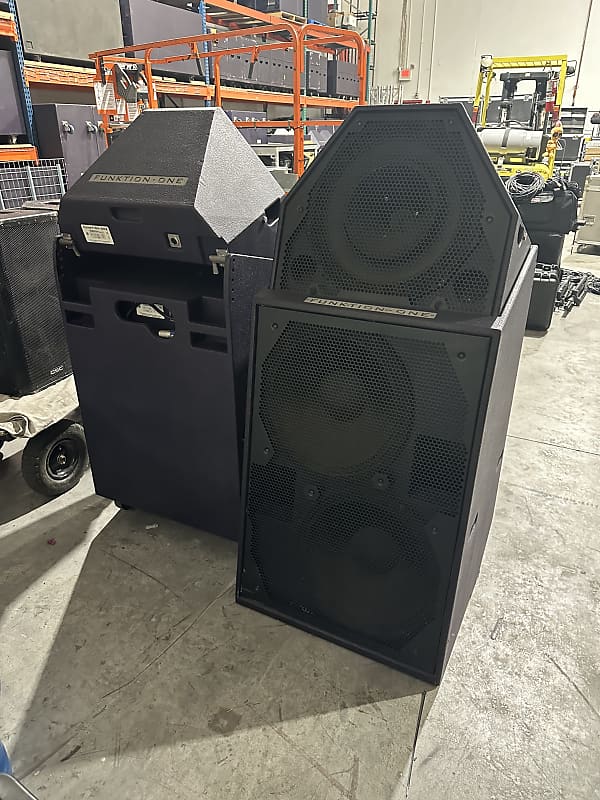
Funktion One PSM318 PAIR Reverb
4.5/5 (457 reviews)

Funktion One PSM 318 Sova Audio Sova Audio
4.5/5 (457 reviews)

FunktionOne Products PSM318 DJ Monitor
4.5/5 (457 reviews)
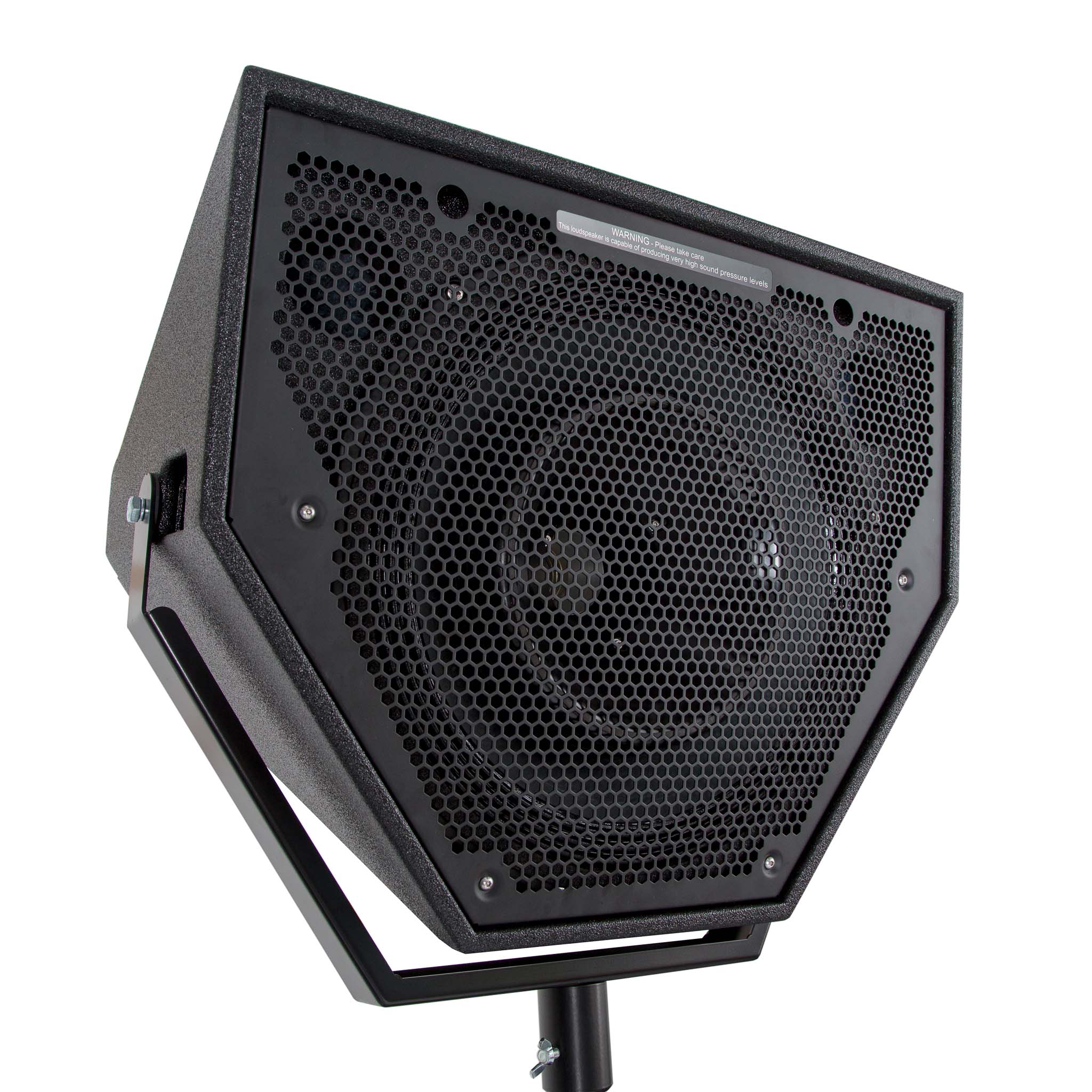
Funktion One PSM 318 Sova Audio Sova Audio
4.5/5 (457 reviews)

Funktion One PSM318 DJ Monitors Pair Deck Converters Sell DJ
4.5/5 (457 reviews)

Funktion One Psm318 Dj Monitor Stage Sound 3D Model for Corona
4.5/5 (457 reviews)
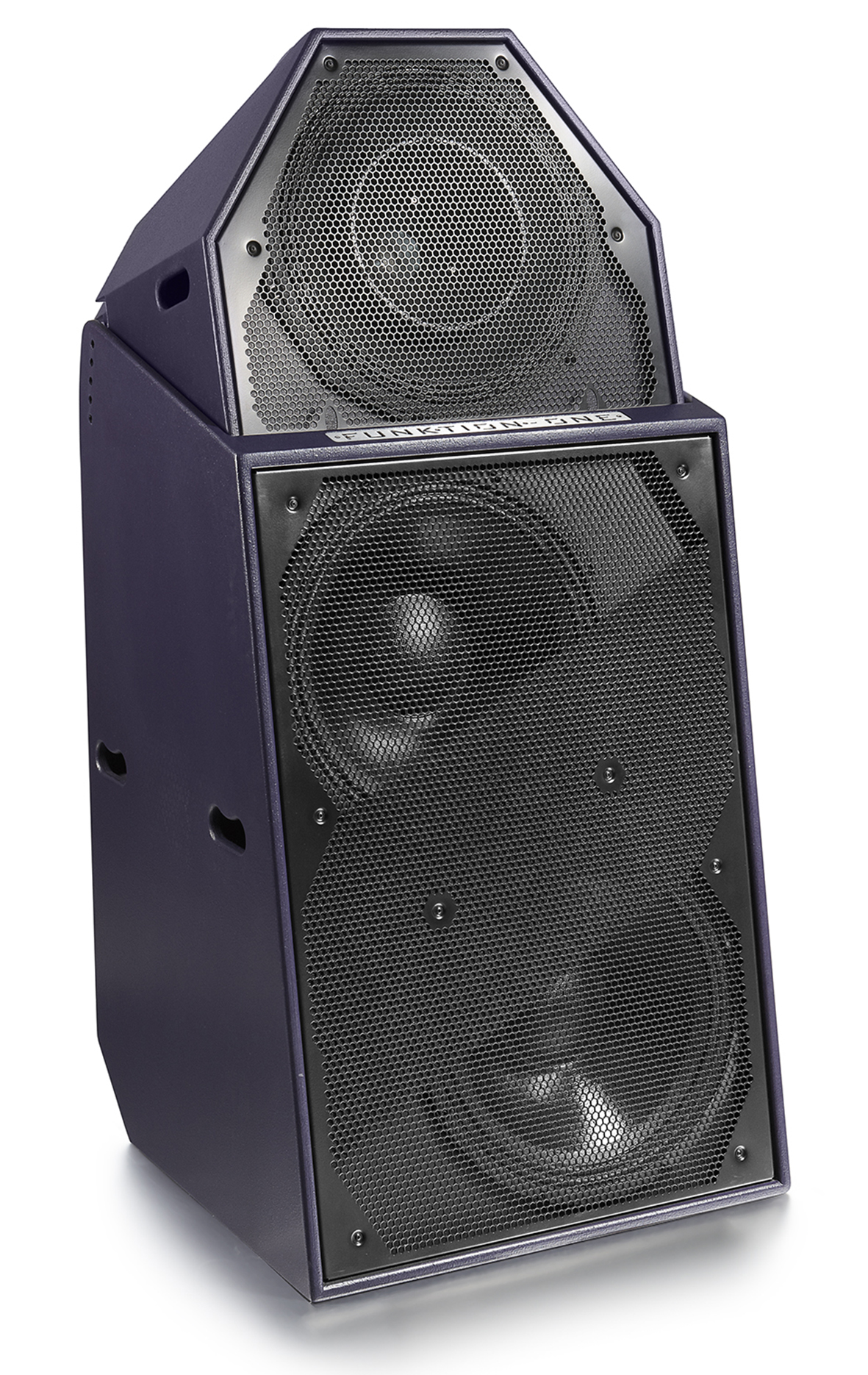
PSM318 FUNKTIONONE
4.5/5 (457 reviews)
Whether it’s an item, a service, or even a person, the act of being “for sale” represents a moment of transition, a shift from one stage of life to another. The concept of a circular economy, where products are reused and repurposed instead of discarded, is central to the appeal of second-hand goods. People place their belongings for sale for many reasons. Many quality goods are made by artisans or small businesses who take the time to create products that reflect their expertise and passion. Negotiation is often the most delicate part of the sale process. Whether it’s a vintage armchair, a gently used dining table, or a piece of mid-century modern furniture, second-hand furniture can be both functional and stylish. It forces us to ask difficult questions about ownership, worth, and the limits of human desire. When a person decides to sell something, they might weigh the pros and cons, debating whether it’s the right time or whether it’s really necessary to part with what they’ve had for so long. Additionally, purchasing second-hand electronics can be a way to access high-end models at a lower price. When someone talks about purchasing quality goods, they are likely thinking of items that have been designed to last, to provide a superior experience, and to offer a sense of value far beyond the initial cost. Thrift stores, estate sales, and online marketplaces are excellent places to find second-hand furniture, with options ranging from antique and vintage pieces to more contemporary items. The sale and purchase of second-hand goods play a pivotal role in this transition, demonstrating how individuals can make a meaningful impact through everyday choices. These generations are more aware of the environmental impact of fast fashion, disposable goods, and the need to adopt more sustainable practices. Online business-for-sale marketplaces have made it easier than ever for individuals to find opportunities, compare businesses, and evaluate the potential of various investments. One of the major environmental concerns with new products is the waste that they often generate at the end of their life cycle. The rise of minimalist living, which emphasizes owning fewer, more meaningful possessions, has played a role in this shift. When it’s put up for sale, it can bring with it a sense of loss, as if a piece of the seller’s life is being taken away. For instance, businesses in industries such as technology, renewable energy, or e-commerce may attract more buyers due to their perceived growth potential. The act of selling a home is a deeply emotional process, and when it’s completed, there’s a sense of closure and anticipation for what comes next. Beyond practical reasons, the appeal of quality goods for sale also lies in the sense of pride and satisfaction that comes from owning something well-made.
Despite the many advantages of buying and selling second-hand goods, there are some challenges that both buyers and sellers must navigate. Whether it’s a handmade leather bag, a vintage watch, or a luxury car, the term “quality” brings with it an expectation — an assurance that the item in question has been crafted with care, attention to detail, and materials that can stand the test of time. Whether buying vintage clothing, upcycled furniture, or pre-owned electronics, the growing popularity of second-hand shopping reflects a broader desire for more sustainable, creative, and conscious ways of living. By purchasing second-hand items, consumers can help reduce the demand for new products, thereby lessening the environmental impact associated with manufacturing and shipping. A piece of art, for example, may be valued differently by various individuals based on personal taste, financial resources, or the emotional connection they feel to the work. The concept of quality, however, is not a one-size-fits-all. In the end, the phrase “for sale” is about more than just the exchange of money for goods or services. Unlike mass-produced items that may become outdated or fall apart with minimal use, quality products are designed to endure. They believe that certain things, like love, loyalty, and friendship, should be above the reach of commerce. These platforms allow buyers to browse listings, access detailed business profiles, and initiate contact with sellers, all from the comfort of their own home. Additionally, brick-and-mortar thrift stores and consignment shops provide a more traditional avenue for selling second-hand goods. In this world, emotions can feel like products, available to be consumed at will and disposed of when they no longer serve a purpose. Electronics are another category of second-hand goods that have seen a rise in popularity. But is this a reflection of reality? Or is it an illusion we’ve created, an idea we’ve accepted in order to make sense of a world that increasingly revolves around consumption and profit?
At the core of this idea lies the assumption that everything, no matter how unique or rare, can be exchanged. At its core, “for sale” signifies that something is available for purchase, but beyond that, it tells a story of desire, exchange, and transition. Many everyday products, such as kitchenware, footwear, and tools, can also be considered quality goods, provided they are made to last and perform well over time. Many factors can influence the negotiation, such as the business’s financial performance, industry trends, and the level of interest from other buyers. There is also a growing trend of upcycling and repurposing second-hand goods, where items that may no longer serve their original purpose are transformed into something new and useful. Many quality goods are made by artisans or small businesses who take the time to create products that reflect their expertise and passion. It’s about letting go of something that no longer serves a purpose, while opening the door for something new to take its place.