Homes For Sale In Lawrenceville Pittsburgh Pa – It is subjective, shaped by cultural norms, individual preferences, and the evolving standards of various industries. The adage “you get what you pay for” rings especially true in the realm of quality goods. Many online platforms also allow buyers and sellers to leave feedback and reviews, helping to build trust and credibility in the transaction. Once an agreement is reached, the final step is the legal transfer of ownership. Electronics are another category of second-hand goods that have seen a rise in popularity. This typically involves drafting and signing a sale agreement, which outlines the terms and conditions of the transaction. But the financial aspect is only one part of the equation. For some, selling a business is a proactive decision to move on to new ventures, while for others, the sale might be the result of external factors, such as market downturns, changing consumer preferences, or regulatory shifts. The idea of “everything for sale” challenges our understanding of what is sacred, what is essential, and what is truly priceless. This is particularly important in a world where design has become a central element in consumer decision-making. These goods aren’t just products; they are symbols of craftsmanship, heritage, and pride. The second-hand market is not just about saving money; it’s about embracing a more sustainable, mindful way of consuming that values reuse, repurposing, and the stories behind the items we choose to keep. In the realm of real estate, for instance, selling a house is often an emotional and logistical challenge. Most new items, particularly electronics, are designed with built-in obsolescence. While some people may be hesitant to purchase pre-owned electronics due to concerns about quality or reliability, the second-hand market for electronics has become increasingly trustworthy. Even in a marketplace where everything is commodified, there is still room for those moments and experiences that transcend value. Whether it's old furniture that no longer fits with their style, clothing that no longer fits, or electronics they no longer use, selling second-hand items allows individuals to recoup some of the money they spent on these goods. They walk into a space that holds the potential for their own memories to be created, for their own life to unfold. Therapists offer their services for a fee, and online courses promise to give us the knowledge we need to succeed — all in exchange for money. Many people continue to resist the notion that everything has a price, and they fight to reclaim what is meaningful and valuable in life.

Central Lawrenceville, Pittsburgh, PA Real Estate & Homes for Sale
Homes for sale by owner · homes for sale View local noise levelssearch by commute time3d toursview property flood risks

Central Lawrenceville, Pittsburgh, PA Real Estate & Homes for Sale
Homes for sale by owner · homes for sale View local noise levelssearch by commute time3d toursview property flood risks

Central Lawrenceville, Pittsburgh, PA Real Estate & Homes for Sale
Homes for sale by owner · homes for sale View local noise levelssearch by commute time3d toursview property flood risks

Central Lawrenceville, Pittsburgh, PA Real Estate & Homes for Sale
View local noise levelssearch by commute time3d toursview property flood risks Homes for sale by owner · homes for sale

Central Lawrenceville, Pittsburgh, PA Real Estate & Homes for Sale
Homes for sale by owner · homes for sale View local noise levelssearch by commute time3d toursview property flood risks

Central Lawrenceville, Pittsburgh, PA Real Estate & Homes for Sale
Homes for sale by owner · homes for sale View local noise levelssearch by commute time3d toursview property flood risks

Central Lawrenceville, Pittsburgh, PA Real Estate & Homes for Sale
View local noise levelssearch by commute time3d toursview property flood risks Homes for sale by owner · homes for sale

Central Lawrenceville, Pittsburgh, PA Real Estate & Homes for Sale
View local noise levelssearch by commute time3d toursview property flood risks Homes for sale by owner · homes for sale

Central Lawrenceville, Pittsburgh, PA Real Estate & Homes for Sale
View local noise levelssearch by commute time3d toursview property flood risks Homes for sale by owner · homes for sale
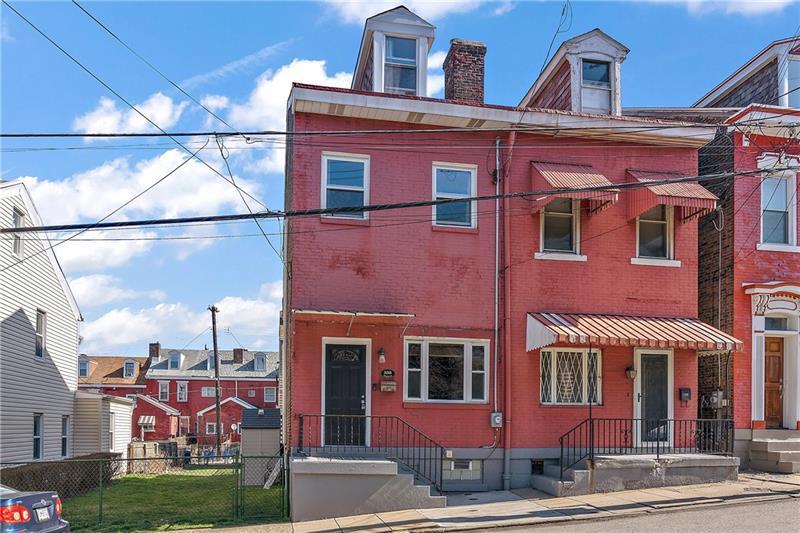
335 Main Street, Pittsburgh (Lawrenceville), PA 15201 Lawrenceville
Homes for sale by owner · homes for sale View local noise levelssearch by commute time3d toursview property flood risks
There are communities that exist outside the realm of traditional commerce, where sharing, collaboration, and mutual support take precedence over profit. The global marketplace, with its constant buying and selling, influences everything from politics to the environment, creating ripple effects that are felt far beyond the immediate transaction. Many second-hand clothing stores and online platforms specialize in curating high-quality, gently used apparel, making it easy for consumers to find fashionable items that align with their tastes. Both the buyer and the seller are seeking the best possible terms, and finding common ground can be a challenge. They believe that certain things, like love, loyalty, and friendship, should be above the reach of commerce. Legal experts are often involved at this stage to ensure that the transaction is conducted in compliance with all relevant laws and regulations. Another aspect that contributes to the appeal of quality goods for sale is the level of detail and attention given to the design. The rise of minimalism and a desire for unique, vintage items has also played a role in the growing popularity of second-hand goods. The notion suggests a world where anything and everything, regardless of its intrinsic value, can be bought, sold, or traded. There’s a certain art to selling something. These items are often crafted with a sense of purpose, where every stitch, joint, and component is carefully considered to create a product that not only functions well but looks beautiful in the process. This leads to the accumulation of waste that ends up in landfills, contributing to pollution and the depletion of valuable resources. Take, for example, a high-quality piece of furniture — a well-crafted sofa or dining table can last for decades if maintained properly. Additionally, trends in sustainability and eco-conscious living have contributed to the growth of the second-hand market, as consumers become more aware of the environmental impact of their purchasing decisions. Our emotional lives, our personal narratives, and even our deepest fears have been monetized. In a sense, the very nature of human existence can feel like a transaction. The idea of buying things that were once owned by someone else is no longer considered taboo or lesser; rather, it has become a lifestyle choice for those who want to make smarter, more ethical purchasing decisions. The rise of online platforms has transformed the way second-hand goods are bought and sold. The focus on longevity and reliability is what sets these goods apart from their mass-market counterparts. The first and most obvious reason is the tangible benefits they offer.
Whether it’s a car, a house, or a simple piece of furniture, there’s a process that unfolds. When everything becomes a transaction, we risk losing sight of what truly matters. But the financial aspect is only one part of the equation. They are intended to last for a limited amount of time, after which they become outdated, broken, or no longer functional. A well-maintained, quality leather jacket may last a lifetime, whereas a low-cost alternative might only hold up for a couple of seasons. The sale agreement will include details about the purchase price, payment terms, assets being transferred, and any contingencies that may apply. But even as we wrestle with the implications of living in a world where everything is for sale, we also see that this reality is not entirely negative. This practice is an essential aspect of sustainability, as it helps conserve resources and reduces the amount of waste sent to landfills. When people choose quality goods, they are choosing longevity over convenience, enduring craftsmanship over temporary trends, and often, a timeless aesthetic over what is in vogue today. When a car is put up for sale, it can feel like letting go of a part of one’s journey. This has opened up new opportunities for small businesses to thrive and for consumers to access unique, well-made items that they might not have encountered otherwise. The environmental benefits of buying second-hand goods go beyond just reducing the need for new production. Quality goods transcend trends and fleeting fads. Many people continue to resist the notion that everything has a price, and they fight to reclaim what is meaningful and valuable in life. For the buyer, there is the risk of inheriting a business with hidden problems or liabilities that were not disclosed during the due diligence process. Electronics are another category of second-hand goods that have seen a rise in popularity. The world of second-hand shopping has also made quality goods more accessible. The materials used, whether it’s hardwood, durable fabrics, or premium upholstery, are chosen for their longevity and aesthetic appeal. When we begin to view everything through the lens of commerce, it’s easy to lose sight of the things that make life worth living — the moments that aren’t for sale, the experiences that can’t be bought. There is also a growing trend of upcycling and repurposing second-hand goods, where items that may no longer serve their original purpose are transformed into something new and useful.