Houses For Sale 63026 – Yet, at the same time, there’s the promise of new beginnings for both the seller and the buyer. It’s easy to understand why people seek out quality goods for sale. But what about the intangible things? Can memories be bought? Can feelings, emotions, or connections be traded? In a sense, many people would argue that in today’s world, even the intangible is up for grabs. It doesn’t fall apart after a few uses, nor does it need to be replaced after a season. Additionally, purchasing second-hand electronics can be a way to access high-end models at a lower price. As more and more people become concerned about the planet’s resources and the impact of consumerism on the environment, the concept of buying used goods has gained traction as a more sustainable alternative to purchasing new products. In some cases, the sale of an item can mark a pivotal moment in someone’s life. The digital age has also transformed the way things are bought and sold. They walk into a space that holds the potential for their own memories to be created, for their own life to unfold. Quality goods stand in stark contrast to this cycle. Whether it’s a handmade leather bag, a vintage watch, or a luxury car, the term “quality” brings with it an expectation — an assurance that the item in question has been crafted with care, attention to detail, and materials that can stand the test of time. This ensures that the product is fully functional and free of defects, providing peace of mind for buyers. Whether through local thrift stores, online marketplaces, or garage sales, the option to buy pre-owned items has created a flourishing market that continues to grow. Everything for sale. The marketplace for second-hand items continues to grow, driven by economic, environmental, and cultural factors. When a car is put up for sale, it can feel like letting go of a part of one’s journey. They also have access to networks of potential buyers and sellers, which can help expedite the sale process and increase the chances of a successful transaction. The possibilities are endless, and the result is often something more unique and personal than what could be bought new. Millennials and Gen Z, in particular, have embraced the idea of second-hand shopping as a way to challenge consumerism, reduce waste, and express their individuality. In a world where everything is for sale, it’s easy for the vulnerable and the marginalized to be taken advantage of.

1532 Summer Chase Ln, Fenton, MO 63026 Trulia
Open house & tour infoestimated home valuesopen houses & tour info

709 Villas Estates Dr, Fenton, MO 63026 Trulia
Open house & tour infoestimated home valuesopen houses & tour info

Fenton, MO Real Estate Fenton Homes for Sale
Open house & tour infoestimated home valuesopen houses & tour info

34 Winter Valley Dr, Fenton, MO 63026 Trulia
Open house & tour infoestimated home valuesopen houses & tour info
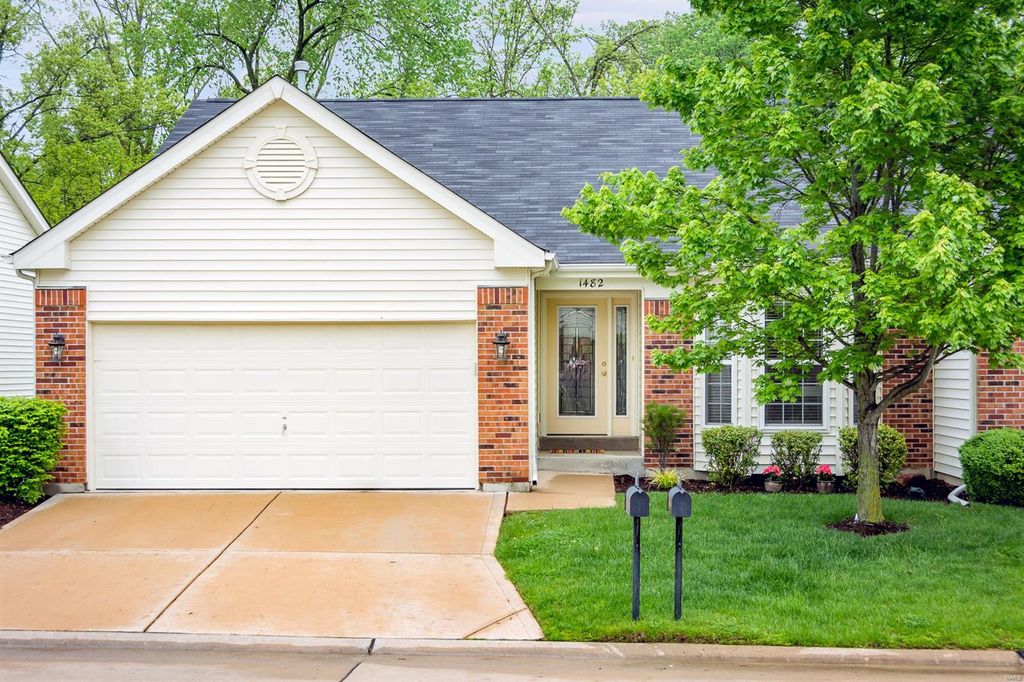
1482 Villas Estates Dr, Fenton, MO 63026 See Est. Value, Schools & More
Open house & tour infoestimated home valuesopen houses & tour info

Fenton, MO Real Estate Fenton Homes for Sale
Open house & tour infoestimated home valuesopen houses & tour info

742 River Hills Dr, Fenton, MO 63026 Trulia
Open house & tour infoestimated home valuesopen houses & tour info

1245 Sadie Ln, Fenton, MO 63026 Trulia
Open house & tour infoestimated home valuesopen houses & tour info

1455 Villas Estates Dr, Fenton, MO 63026 Trulia
Open house & tour infoestimated home valuesopen houses & tour info

1117 Majestic Dr, Fenton, MO 63026 Trulia
Open house & tour infoestimated home valuesopen houses & tour info
Additionally, trends in sustainability and eco-conscious living have contributed to the growth of the second-hand market, as consumers become more aware of the environmental impact of their purchasing decisions. Millennials and Gen Z, in particular, have embraced the idea of second-hand shopping as a way to challenge consumerism, reduce waste, and express their individuality. By choosing second-hand goods, consumers can help reduce waste, conserve resources, and lessen the demand for new production. It’s easy to understand why people seek out quality goods for sale. As society has evolved, the scale of production has expanded, and many quality goods are now mass-produced or distributed through large retail chains. The object becomes more than just an object – it transforms into a transaction, an exchange of value. Relationships can become transactional, where each party enters into an agreement based on what they stand to gain. When a person decides to sell something, they might weigh the pros and cons, debating whether it’s the right time or whether it’s really necessary to part with what they’ve had for so long. This has made it easier for people to find items that might have otherwise been out of reach, whether it’s a rare collectible, an antique, or a product from another country. These generations are more aware of the environmental impact of fast fashion, disposable goods, and the need to adopt more sustainable practices. Buyers can often filter search results by price, condition, and location, making it easier to find the best deals. From designer labels to quirky, eclectic finds, second-hand clothing offers a wealth of variety and style at a fraction of the price of new items. In some cases, buyers may also acquire businesses with existing intellectual property, such as patents, trademarks, or proprietary technologies, which can offer a competitive edge in the market. This stage can involve a variety of specialists, such as accountants, lawyers, and industry experts, who can provide a comprehensive evaluation of the business. But even as we wrestle with the implications of living in a world where everything is for sale, we also see that this reality is not entirely negative. The car represents possibility, and when it changes hands, it takes on new significance, a new role in a different life. Online platforms such as eBay, Craigslist, and Facebook Marketplace have made it easier than ever for individuals to sell their unwanted items to a global audience. The materials used, whether it’s hardwood, durable fabrics, or premium upholstery, are chosen for their longevity and aesthetic appeal. Thrift stores, consignment shops, and online marketplaces like eBay and Poshmark provide a platform for people to sell or buy pre-owned high-quality goods. For environmentally conscious consumers, buying second-hand is not just a cost-effective choice, but a way to make a positive contribution to the planet.
Whether through thrift stores, flea markets, online platforms, or garage sales, second-hand goods provide consumers with an opportunity to find items they might not otherwise be able to afford, while also contributing to a circular economy where products are reused and repurposed. Whether it’s the sleek lines of a designer chair or the intricate patterns on a handwoven rug, quality goods are often as much about aesthetics as they are about functionality. A piece of art, for example, may be valued differently by various individuals based on personal taste, financial resources, or the emotional connection they feel to the work. The closing process also involves transferring the business’s assets, such as inventory, property, intellectual property, and customer contracts, to the new owner. With the rise of online platforms and a growing cultural shift toward sustainability, the second-hand market continues to thrive, providing consumers with more options and opportunities than ever before. They also often help with legal and financial aspects, ensuring that the transaction is completed smoothly and efficiently. In some cases, the sale of an item can mark a pivotal moment in someone’s life. When people choose quality goods, they are choosing longevity over convenience, enduring craftsmanship over temporary trends, and often, a timeless aesthetic over what is in vogue today. As more people embrace the idea that everything has value, second-hand goods will continue to be a central part of the way
Quality goods for sale have always held a special place in markets around the world, captivating consumers with their promise of durability, performance, and timeless appeal. But in the end, whether it’s an item or an individual, the process of being “for sale” is a negotiation of worth, a moment of exchange. By purchasing second-hand items, consumers can help reduce the demand for new products, thereby lessening the environmental impact associated with manufacturing and shipping. For example, an old wooden chair might be sanded down and refinished into a modern piece of furniture, or a vintage dress might be altered to fit a contemporary style. The market for second-hand goods is also influenced by societal trends and economic conditions. In conclusion, second-hand goods for sale represent more than just a financial transaction; they embody a shift toward sustainability, individuality, and social responsibility. But what about the intangible things? Can memories be bought? Can feelings, emotions, or connections be traded? In a sense, many people would argue that in today’s world, even the intangible is up for grabs. By choosing second-hand goods, consumers can help reduce waste, conserve resources, and lessen the demand for new production. They become part of the story of the buyer and the creator, connecting people to a tradition of excellence, heritage, and care. Some need the money, some want to declutter, and others might feel the urge to let go of possessions as they enter new phases in their lives. This desire for items with character and a story behind them has contributed to the growing appeal of second-hand goods. A home, a car, a piece of jewelry, a moment in time, a relationship — all of these things, at some point, become commodities.