New Homes For Sale In 55 Plus Communities In Arizona – The object becomes more than just an object – it transforms into a transaction, an exchange of value. This sense of connection can also extend to the broader culture of quality goods, where consumers and creators share a commitment to excellence and a desire to preserve the craft and tradition behind these products. Their inherent value comes not only from their physical characteristics but also from the values of durability and sustainability. They are intended to last for a limited amount of time, after which they become outdated, broken, or no longer functional. Just as with material possessions, when a person is “for sale,” they put their value on display for others to assess. The sale process itself can be lengthy and involves multiple stages. For many people, there is something uniquely satisfying about sifting through racks of clothes, rummaging through bins of books, or browsing shelves of home goods in search of that perfect item. These platforms allow users to browse listings, communicate with sellers, and make purchases from the comfort of their own homes. In the realm of electronics, a quality product, such as a high-end camera or a premium laptop, can perform reliably for years, often outlasting cheaper alternatives. For many, owning a quality product means owning a piece of history, a connection to something larger than themselves. Similarly, a quality suit made from fine wool will age gracefully, developing a patina that speaks to its craftsmanship. Many online platforms also allow buyers and sellers to leave feedback and reviews, helping to build trust and credibility in the transaction. To mitigate this risk, buyers should ask for detailed photos, read product descriptions carefully, and inquire about the condition of the item before making a purchase. Many everyday products, such as kitchenware, footwear, and tools, can also be considered quality goods, provided they are made to last and perform well over time. In a world that often prioritizes convenience
The notion of a business for sale is one that captures the imagination of many. In addition to offering unique items and affordable prices, many second-hand stores also serve an important social and community function. Whether it’s a handmade leather bag, a vintage watch, or a luxury car, the term “quality” brings with it an expectation — an assurance that the item in question has been crafted with care, attention to detail, and materials that can stand the test of time. From designer labels to quirky, eclectic finds, second-hand clothing offers a wealth of variety and style at a fraction of the price of new items. While some people may be hesitant to purchase pre-owned electronics due to concerns about quality or reliability, the second-hand market for electronics has become increasingly trustworthy. Online platforms also offer the convenience of searching for specific items, whether it’s a rare collector’s item, a particular brand of clothing, or a piece of furniture that fits a specific design style.

Homes for Sale in 55+ Retirement Communities in Phoenix
Video & 3d tours of homesprice historyshare favorite listingssee crime & noise scores Large outdoor poolfloorplancompare communitiestalk with an expert

Arizona 55 communities
Large outdoor poolfloorplancompare communitiestalk with an expert Video & 3d tours of homesprice historyshare favorite listingssee crime & noise scores
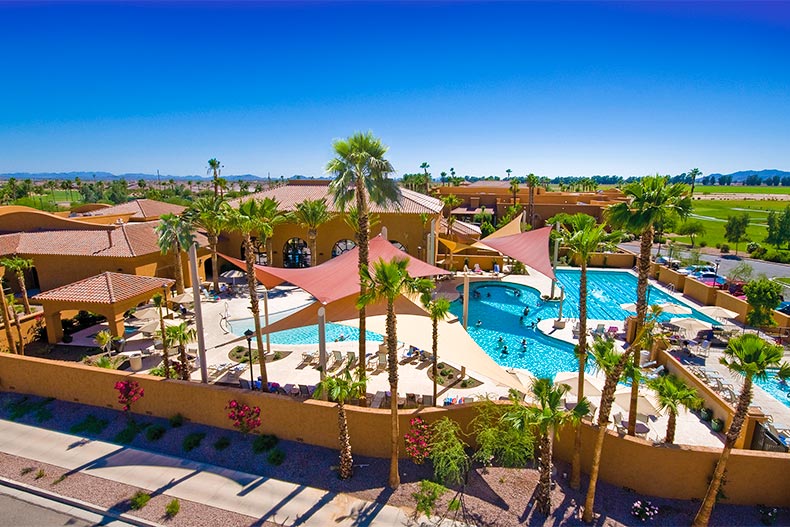
6 Gated 55+ Communities Near Phoenix 55places
Video & 3d tours of homesprice historyshare favorite listingssee crime & noise scores Large outdoor poolfloorplancompare communitiestalk with an expert

Northern Arizona, 55 Plus Active Adult Communities and Homes
Large outdoor poolfloorplancompare communitiestalk with an expert Video & 3d tours of homesprice historyshare favorite listingssee crime & noise scores
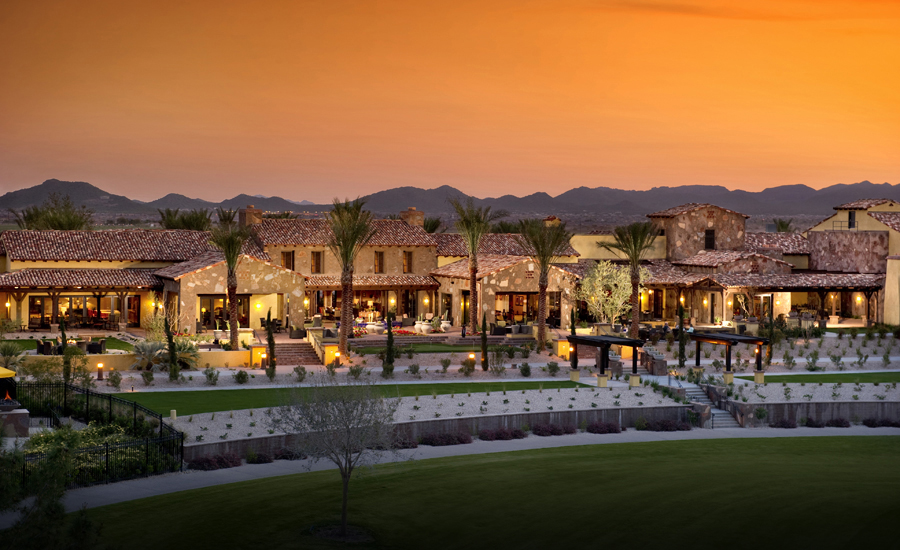
55 Plus Retirement Communities Searching The Best Arizona Retirement
Large outdoor poolfloorplancompare communitiestalk with an expert Video & 3d tours of homesprice historyshare favorite listingssee crime & noise scores

55+ Communities in Arizona
Large outdoor poolfloorplancompare communitiestalk with an expert Video & 3d tours of homesprice historyshare favorite listingssee crime & noise scores

Arizona 55+ Communities Offering Condos Retirement Communities 55
Video & 3d tours of homesprice historyshare favorite listingssee crime & noise scores Large outdoor poolfloorplancompare communitiestalk with an expert
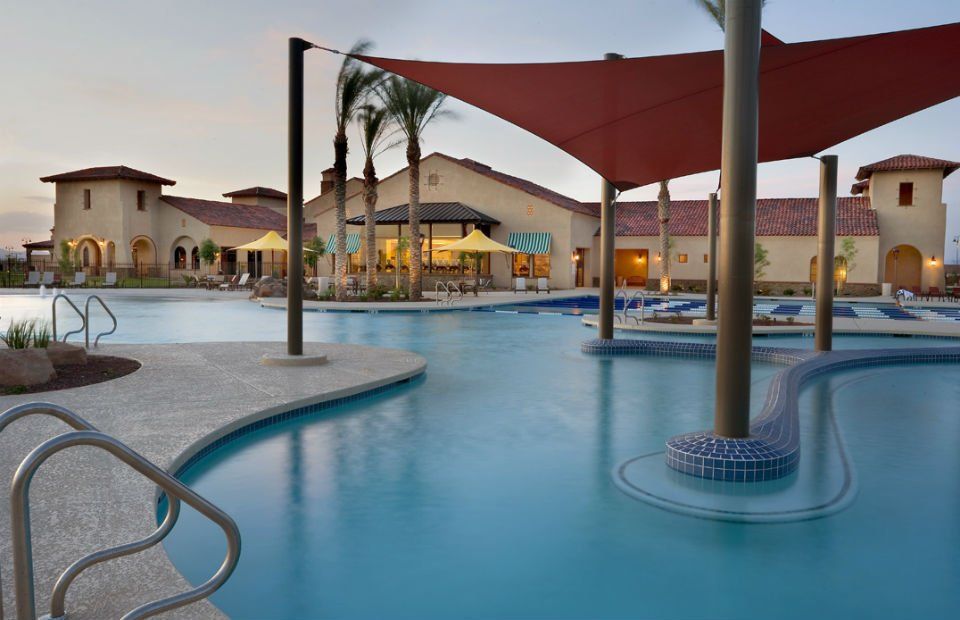
Top active adult 55 plus communities in AZ activeadultliving.
Video & 3d tours of homesprice historyshare favorite listingssee crime & noise scores Large outdoor poolfloorplancompare communitiestalk with an expert
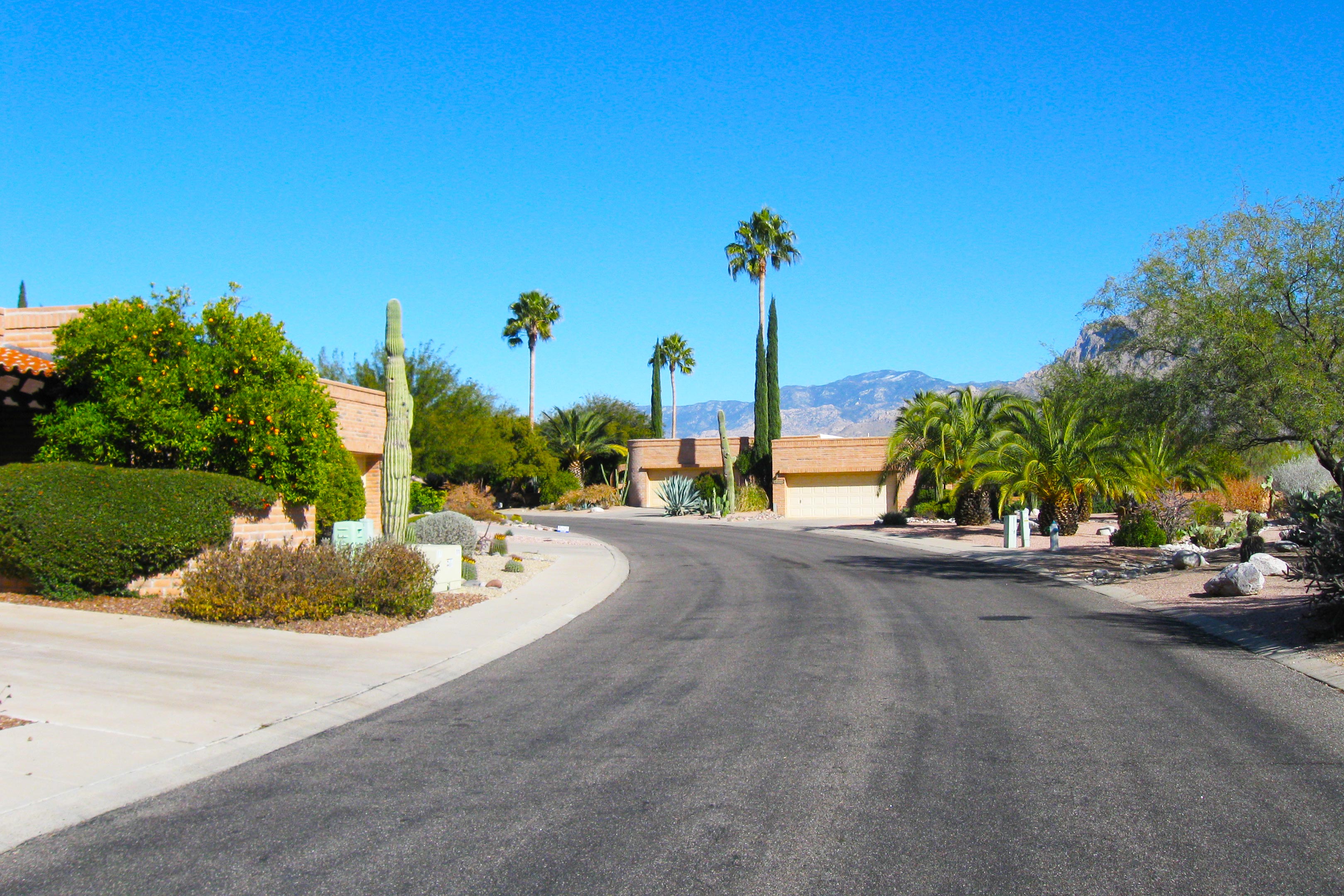
The Best LowestPriced 55+ Communities in Southern Arizona 55places
Video & 3d tours of homesprice historyshare favorite listingssee crime & noise scores Large outdoor poolfloorplancompare communitiestalk with an expert
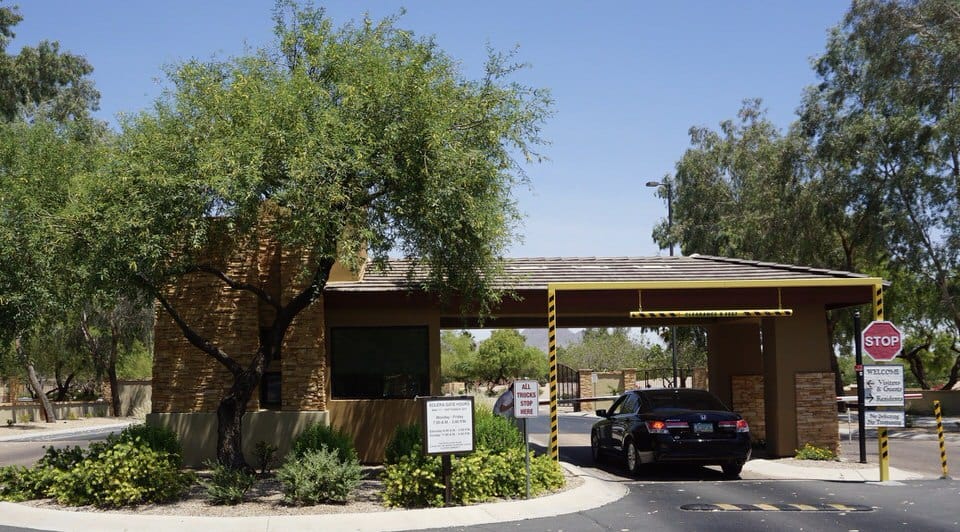
Arizona 55 plus Gated Communities
Large outdoor poolfloorplancompare communitiestalk with an expert Video & 3d tours of homesprice historyshare favorite listingssee crime & noise scores
This revival can be attributed to a combination of economic factors, growing awareness of environmental issues, and a shift in consumer attitudes toward sustainability and the value of pre-owned items. By choosing second-hand goods, consumers can help reduce waste, conserve resources, and lessen the demand for new production. Some businesses are sold because the owner is ready to retire, while others might be sold due to financial difficulties or changes in the owner’s personal or professional life. As more people embrace the idea that everything has value, second-hand goods will continue to be a central part of the way
Quality goods for sale have always held a special place in markets around the world, captivating consumers with their promise of durability, performance, and timeless appeal. But in reality, even the most profound relationships can be commodified in some way. By purchasing second-hand items, consumers can help reduce the demand for new products, thereby lessening the environmental impact associated with manufacturing and shipping. This practice is an essential aspect of sustainability, as it helps conserve resources and reduces the amount of waste sent to landfills. With the rising costs of new products, especially in categories like electronics, clothing, and furniture, purchasing second-hand items can offer significant savings. This can be particularly advantageous for entrepreneurs who might have experience in business operations but lack the time or resources to build a new venture from the ground up. This is particularly important in a world where design has become a central element in consumer decision-making. The first and most obvious reason is the tangible benefits they offer. Once an agreement is reached, the final step is the legal transfer of ownership. A well-maintained, quality leather jacket may last a lifetime, whereas a low-cost alternative might only hold up for a couple of seasons. Moreover, buying second-hand items allows consumers to access unique and vintage products that may no longer be available in stores, offering a sense of individuality that is often missing from mass-produced, new items. In a circular economy, items are kept in use for as long as possible, reducing the need for new resources and minimizing environmental harm. This has opened up new possibilities for people to find exactly what they’re looking for, whether it’s a specific brand of furniture or a limited edition item that was once sold out. Selling such an item can be a difficult decision, yet it often represents the practical need to downsize or make space for something new. Online platforms also offer the convenience of searching for specific items, whether it’s a rare collector’s item, a particular brand of clothing, or a piece of furniture that fits a specific design style. Millennials and Gen Z, in particular, have embraced the idea of second-hand shopping as a way to challenge consumerism, reduce waste, and express their individuality. There are those who argue that not everything should be for sale.
Yet, even within this system, there is room for hope. With just a few clicks, consumers can browse through thousands of listings for second-hand items from all over the world. These concepts, they say, are too sacred, too important to be reduced to mere transactions. But is this a reflection of reality? Or is it an illusion we’ve created, an idea we’ve accepted in order to make sense of a world that increasingly revolves around consumption and profit?
At the core of this idea lies the assumption that everything, no matter how unique or rare, can be exchanged. Whether it’s the smooth finish of a well-polished wooden table or the satisfying feel of a perfectly balanced knife in your hand, quality goods evoke a sense of pride in their ownership. It’s about change, opportunity, and the negotiation of value. Every click, every like, every follow, is part of an ongoing transaction. The internet, for example, has created a space where anyone can buy or sell almost anything, from physical products to intangible services. The advent of these online platforms means that consumers can hunt for items they might have otherwise overlooked or been unaware of, sometimes at a fraction of the original cost. For instance, when someone is job hunting, it can feel like they’re placing themselves on the market, waiting for the right offer. In the world of quality goods for sale, there is also an inherent sense of value in the stories behind them. For many, purchasing second-hand goods is not just about saving money, but about embracing sustainability, supporting a circular economy, and contributing to a more environmentally conscious world. Manufacturing new items requires energy, raw materials, and natural resources, all of which contribute to environmental degradation. For when everything is for sale, it’s easy to forget that the most important things in life are not commodities; they are experiences, relationships, and moments of connection that cannot be measured in dollars and cents. Second-hand markets also promote the idea of a circular economy, an economic system that focuses on reducing waste and reusing products. They remind us that, despite living in a world where everything is for sale, there are some things that remain priceless. The sale process itself can be lengthy and involves multiple stages. Quality goods stand in stark contrast to this cycle. This revival can be attributed to a combination of economic factors, growing awareness of environmental issues, and a shift in consumer attitudes toward sustainability and the value of pre-owned items. The idea of buying things that were once owned by someone else is no longer considered taboo or lesser; rather, it has become a lifestyle choice for those who want to make smarter, more ethical purchasing decisions.