Puerto Viejo Homes For Sale – For those who enjoy the tactile experience of shopping and the sense of discovery that comes with it, thrift stores offer a personal and immersive way to shop for second-hand items. Influencers sell their attention, their opinions, their lives — all of it has become a form of commerce. What was once limited to boutique shops or high-end department stores can now be purchased from the comfort of one’s home. With the rise of e-commerce, the accessibility of quality goods for sale has expanded exponentially. A well-made frying pan or a durable pair of boots might not have the cachet of a designer handbag, but their value lies in their functionality and reliability. Second-hand items are typically sold for a fraction of their original price, making them an attractive option for individuals on a budget. The resale of pre-owned clothing has become a booming industry in recent years, with second-hand stores and online marketplaces thriving as more consumers opt for affordable, sustainable alternatives to fast fashion. This subjective nature of value is what makes the “for sale” market so dynamic. Quality goods for sale are not just limited to luxury items or high-end brands. It implies that there’s nothing off-limits, nothing beyond the reach of commerce. This can be particularly advantageous for entrepreneurs who might have experience in business operations but lack the time or resources to build a new venture from the ground up. This desire for items with character and a story behind them has contributed to the growing appeal of second-hand goods. When you buy something made from premium materials, crafted with attention to detail, and tested for reliability, you can expect it to deliver value that surpasses its initial cost. They also have access to networks of potential buyers and sellers, which can help expedite the sale process and increase the chances of a successful transaction. In this sense, quality is not just about prestige; it’s about making thoughtful choices that contribute to a more sustainable and rewarding lifestyle. People often feel like they are for sale, too, in various ways. In a world dominated by fast fashion, disposable electronics, and mass-produced items, many people are beginning to question the value of constantly purchasing new products. Both buyers and sellers should approach transactions with honesty and transparency to ensure a smooth exchange. By buying second-hand goods, consumers can feel good about supporting their communities and giving back to those in need. A business for sale is not always as it appears on the surface, and the buyer must examine the company’s financial statements, contracts, debts, and even its customer relationships before deciding whether to proceed with the transaction.

Ramón Ferreira You To Greater Metropolitan San Juan Ramón
Homes for sale by owner · homes for sale · condos for sale Financial assistancecyber bootcampsask questionsbrowse articles

Homes for sale in puerto viejo costa rica garetks
Financial assistancecyber bootcampsask questionsbrowse articles Homes for sale by owner · homes for sale · condos for sale

Puerto Viejo Casas (puertoviejocasas_) on Threads
Financial assistancecyber bootcampsask questionsbrowse articles Homes for sale by owner · homes for sale · condos for sale

Homes for sale in puerto viejo costa rica tiklotaxi
Homes for sale by owner · homes for sale · condos for sale Financial assistancecyber bootcampsask questionsbrowse articles
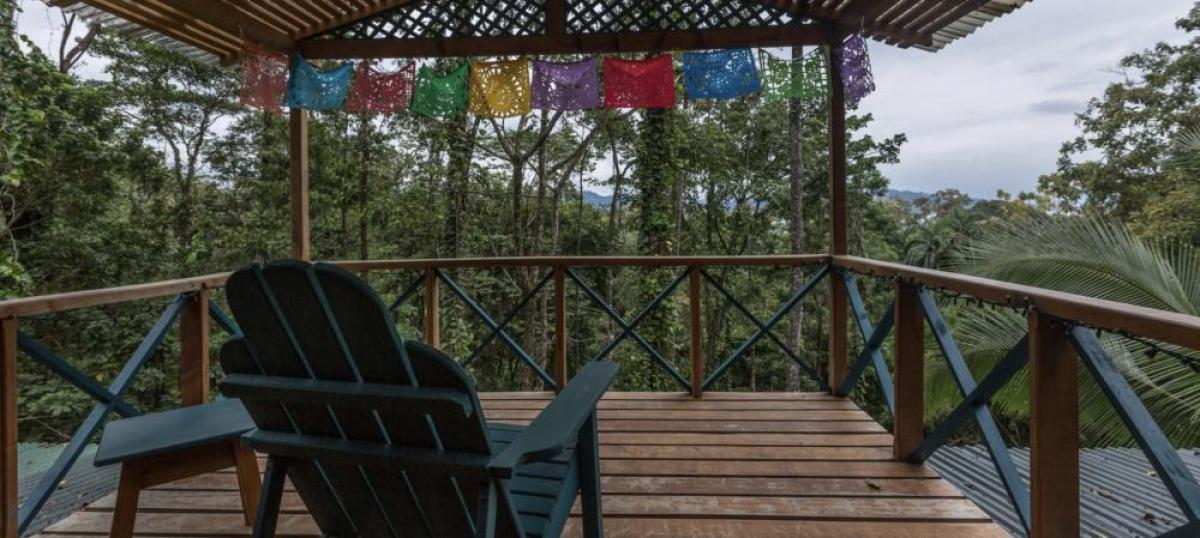
, Puerto Viejo, Limon, Costa Rica Homes For Sale at GLOBAL LISTINGS
Homes for sale by owner · homes for sale · condos for sale Financial assistancecyber bootcampsask questionsbrowse articles
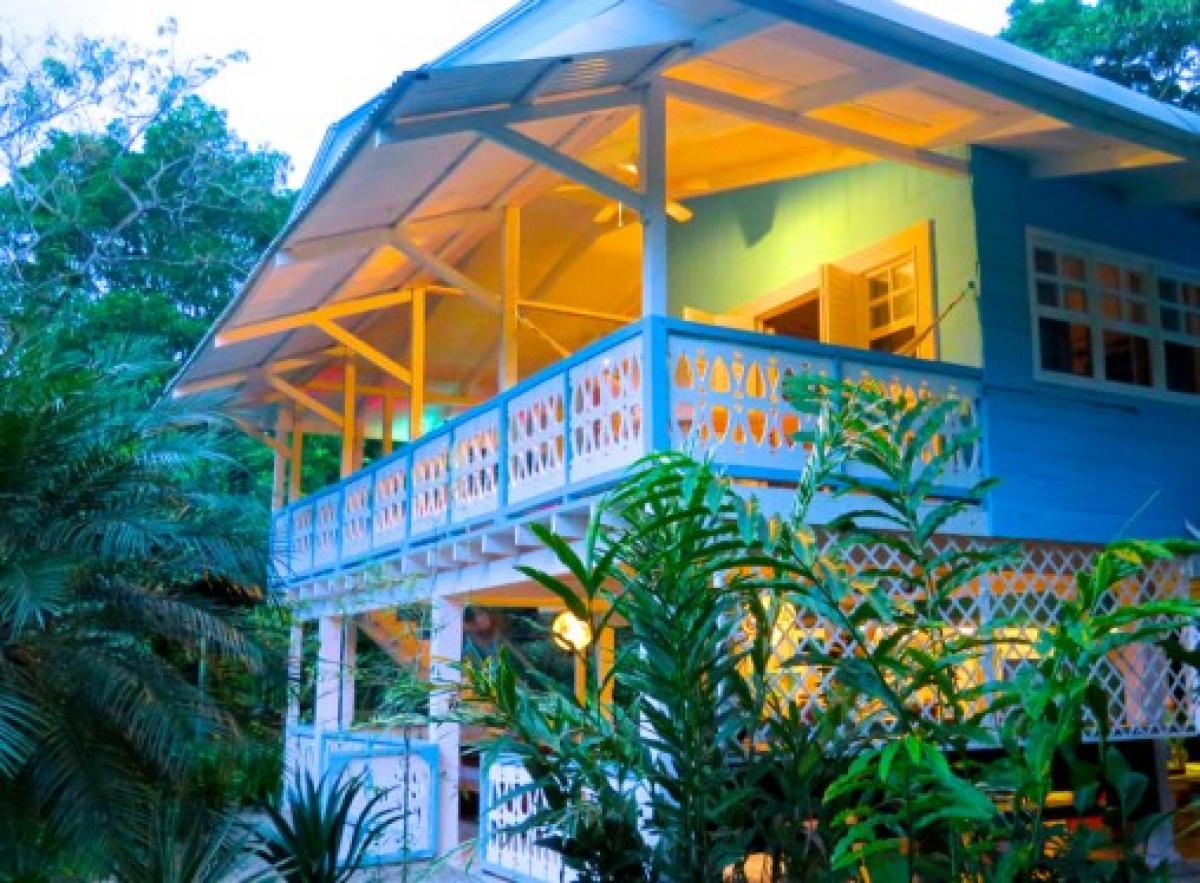
, Puerto Viejo, Limon, Costa Rica Homes For Sale at GLOBAL LISTINGS
Homes for sale by owner · homes for sale · condos for sale Financial assistancecyber bootcampsask questionsbrowse articles
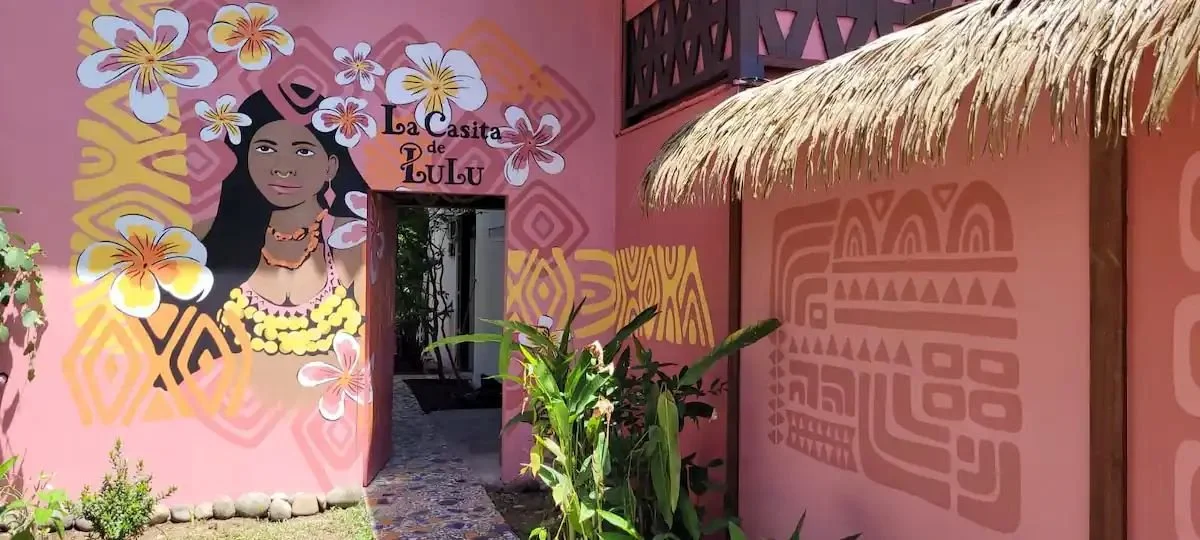
My Puerto Viejo Realtor
Homes for sale by owner · homes for sale · condos for sale Financial assistancecyber bootcampsask questionsbrowse articles
(1).png?format=1000w)
My Puerto Viejo Realtor Discover Puerto Viejo Real Estate Options
Financial assistancecyber bootcampsask questionsbrowse articles Homes for sale by owner · homes for sale · condos for sale

Puerto Viejo Homes for Sale, Real Estate & Property Listings in Costa
Financial assistancecyber bootcampsask questionsbrowse articles Homes for sale by owner · homes for sale · condos for sale

Puerto viejo de limon
Homes for sale by owner · homes for sale · condos for sale Financial assistancecyber bootcampsask questionsbrowse articles
This leads to the accumulation of waste that ends up in landfills, contributing to pollution and the depletion of valuable resources. These items are often crafted with a sense of purpose, where every stitch, joint, and component is carefully considered to create a product that not only functions well but looks beautiful in the process. These acts of generosity remind us that there are still things in life that cannot be bought, cannot be sold, and cannot be quantified. The decision to sell an heirloom piece of furniture, for example, can be emotionally complex, as it involves a shift in one’s connection to the past. The story behind the item becomes part of its value, adding an emotional dimension to its physical form. Additionally, second-hand furniture allows buyers to find unique items that may not be available in traditional furniture stores. Online platforms such as eBay, Craigslist, and Facebook Marketplace have made it easier than ever for individuals to sell their unwanted items to a global audience. Whether it’s the smooth finish of a well-polished wooden table or the satisfying feel of a perfectly balanced knife in your hand, quality goods evoke a sense of pride in their ownership. Overpricing an item can lead to it sitting unsold, while underpricing it can result in lost potential revenue. Due diligence is a crucial part of the process, where the buyer investigates the business thoroughly to ensure that there are no hidden liabilities, potential risks, or operational inefficiencies. From designer labels to quirky, eclectic finds, second-hand clothing offers a wealth of variety and style at a fraction of the price of new items. The idea that everything has a price, and that everything is for sale, may seem like a grim outlook, but it’s one that has become increasingly true. Many quality goods are made by artisans or small businesses who take the time to create products that reflect their expertise and passion. In addition to offering unique items and affordable prices, many second-hand stores also serve an important social and community function. It carries with it a deep sense of commodification — the idea that every part of our lives, every piece of our history, every corner of our existence, has a price attached to it. But is this a reflection of reality? Or is it an illusion we’ve created, an idea we’ve accepted in order to make sense of a world that increasingly revolves around consumption and profit?
At the core of this idea lies the assumption that everything, no matter how unique or rare, can be exchanged. Second-hand goods, especially those that are vintage or antique, often carry a sense of history and craftsmanship that can be missing from mass-produced products. There are those who argue that not everything should be for sale. For the seller, the goal is often to maximize the value of the business, while for the buyer, the focus is on ensuring that the investment is sound and that the business can continue to thrive under new ownership. It’s a moment of transition, and as with all transitions, it brings with it both excitement and uncertainty.
This has made it easier for people to find items that might have otherwise been out of reach, whether it’s a rare collectible, an antique, or a product from another country. Historically, many products were made by local craftsmen, and there was a direct relationship between the creator and the consumer. By choosing second-hand goods, consumers can help reduce waste, conserve resources, and lessen the demand for new production. Social media platforms, for example, offer users a chance to buy into their own identity, to curate a version of themselves that is more appealing, more desirable, more marketable. It’s a small but significant way to make a positive impact on the planet, especially when one considers the volume of waste generated by fast fashion, electronic waste, and disposable goods. People are rediscovering the value of items that have been made by hand, with care and skill, as opposed to the impersonal, assembly-line products that dominate the marketplace. But even as we wrestle with the implications of living in a world where everything is for sale, we also see that this reality is not entirely negative. Economic downturns, for example, can influence the types of businesses that are put up for sale, as struggling companies may look to exit the market. Each item was unique, and the quality was immediately apparent to the buyer. Relationships can become transactional, where each party enters into an agreement based on what they stand to gain. For the seller, there is the risk that they may not be able to find a buyer who is willing to pay the desired price, or that the sale may not go through as planned. The culture of buying second-hand goods is rapidly shifting in the modern world, particularly among younger generations. The materials, labor, and expertise that go into crafting these items naturally make them more expensive. Whether it’s the affordability, the environmental impact, or the opportunity to find unique items, second-hand goods provide an alternative to traditional retail shopping that is both practical and sustainable. But the financial aspect is only one part of the equation. The possibilities are endless, and the result is often something more unique and personal than what could be bought new. Many quality goods are made by artisans or small businesses who take the time to create products that reflect their expertise and passion. Self-help books and motivational speakers promise to sell us the tools to fix ourselves, to buy into a better version of who we could be. In the age of immediacy, it can often feel as though many goods are made with built-in obsolescence, created to be replaced every few years. The idea that everything is for sale works to perpetuate inequality, as those with the most resources can continue to amass power and wealth, while others are left to scramble for what little they can get.