Rolex Explorer I For Sale – For sellers, online platforms can expand their reach to a global audience of potential buyers, increasing the chances of finding the right match for their business. Whether through their durability, aesthetic appeal, or the values they embody, these products go beyond simple transactions. But what about the intangible things? Can memories be bought? Can feelings, emotions, or connections be traded? In a sense, many people would argue that in today’s world, even the intangible is up for grabs. Whether it’s a car, a house, or a simple piece of furniture, there’s a process that unfolds. When an item is marked as “for sale,” it enters a space where value is defined not only by the object itself but by the context in which it’s placed. People often feel like they are for sale, too, in various ways. Conversely, periods of economic growth may lead to more businesses being sold due to increased valuations and higher demand. They also often help with legal and financial aspects, ensuring that the transaction is completed smoothly and efficiently. Whether it’s a high-end designer handbag, a gently used sofa, or a vintage record player, the price difference between a new and a second-hand item can be significant. While the sale of a business can provide a valuable opportunity for both parties involved, it also carries risks. This sense of connection can also extend to the broader culture of quality goods, where consumers and creators share a commitment to excellence and a desire to preserve the craft and tradition behind these products. The world of second-hand shopping has also made quality goods more accessible. This sense of history and individuality is part of what makes second-hand shopping so appealing. However, there’s also an argument to be made that, over time, quality goods are often more economical in the long run. When a person creates something, they are offering a piece of themselves to the world, not for sale, but as a gift. A car is something that can hold a great deal of sentimental value. For some, it’s a matter of balancing budgetary constraints with their desire for quality. Books, records, and collectibles are also highly sought after in the second-hand market. This has opened up new opportunities for small businesses to thrive and for consumers to access unique, well-made items that they might not have encountered otherwise. The rise of minimalist living, which emphasizes owning fewer, more meaningful possessions, has played a role in this shift.
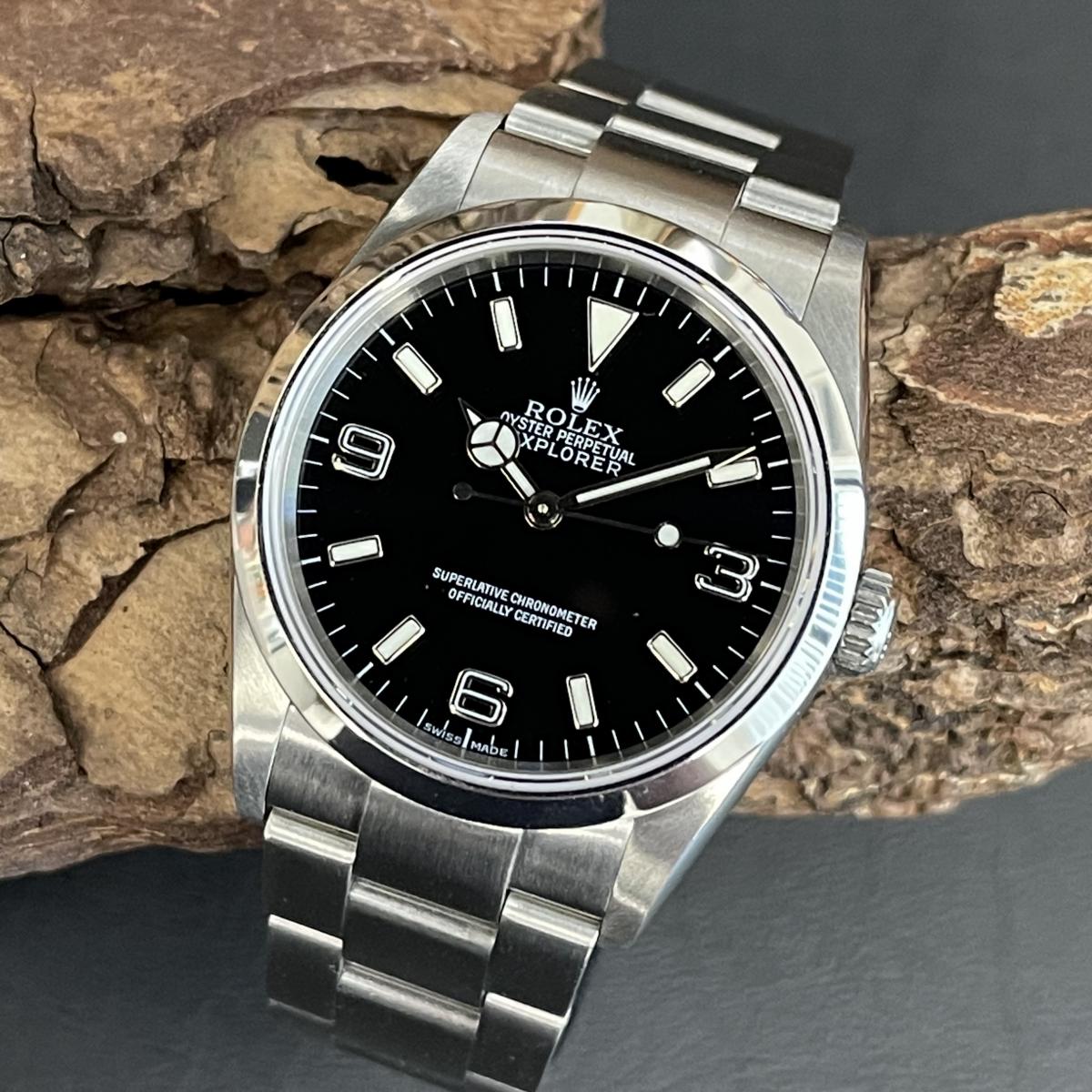
Rolex Explorer I 36mm preowned Purchase & Sale of luxury watches
Lowest price luxury watchfamily owned since 1979free overnight shipping
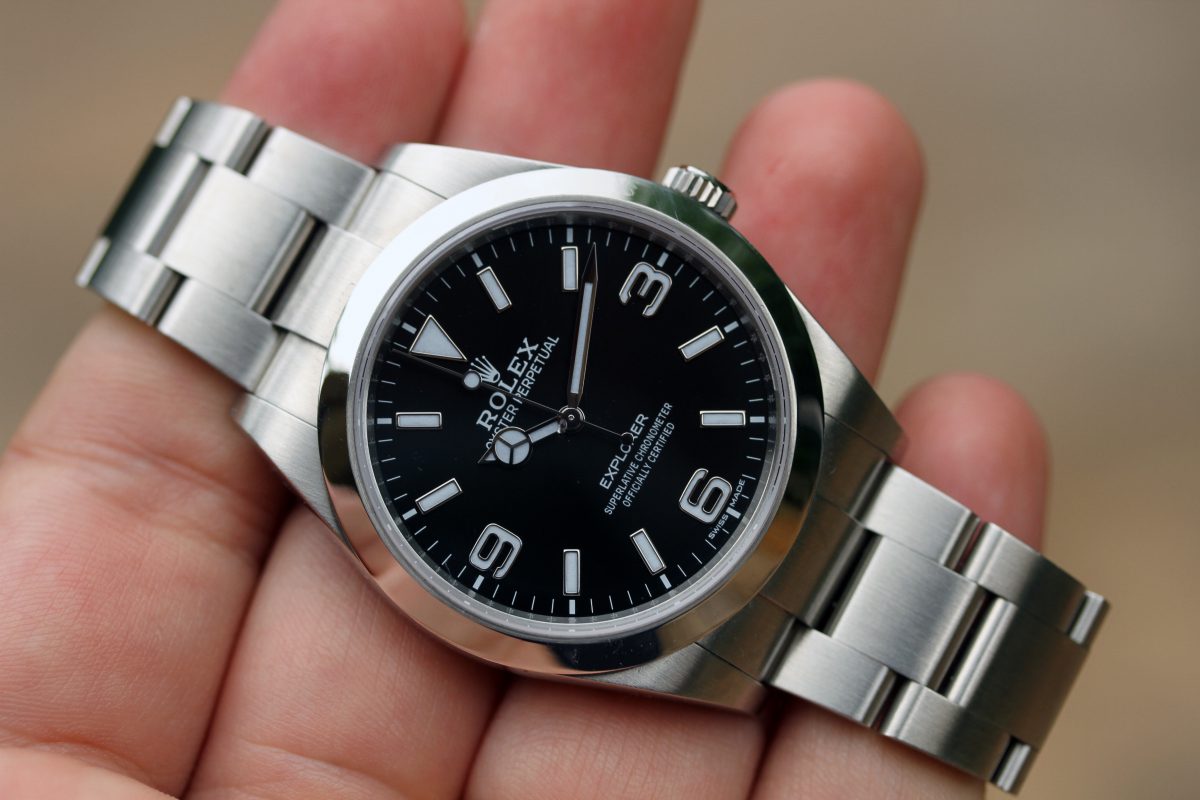
Rolex Explorer 1 ref. 214270 "39mm, MK2 Full Lume Dial" Lunar Oyster
Lowest price luxury watchfamily owned since 1979free overnight shipping
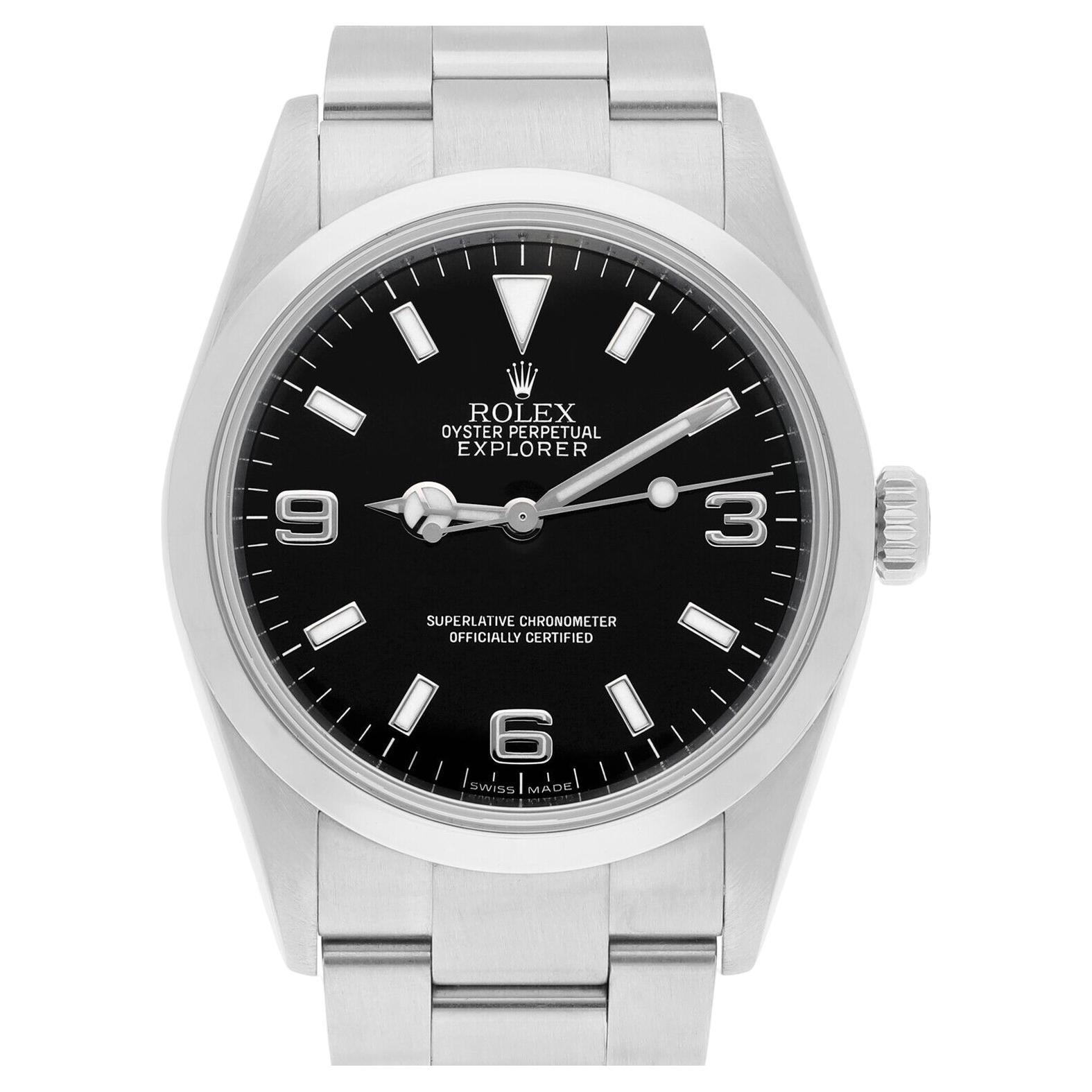
Rolex Explorer I Black 36mm 369 Stainless Steel Oyster Watch 114270
Lowest price luxury watchfamily owned since 1979free overnight shipping
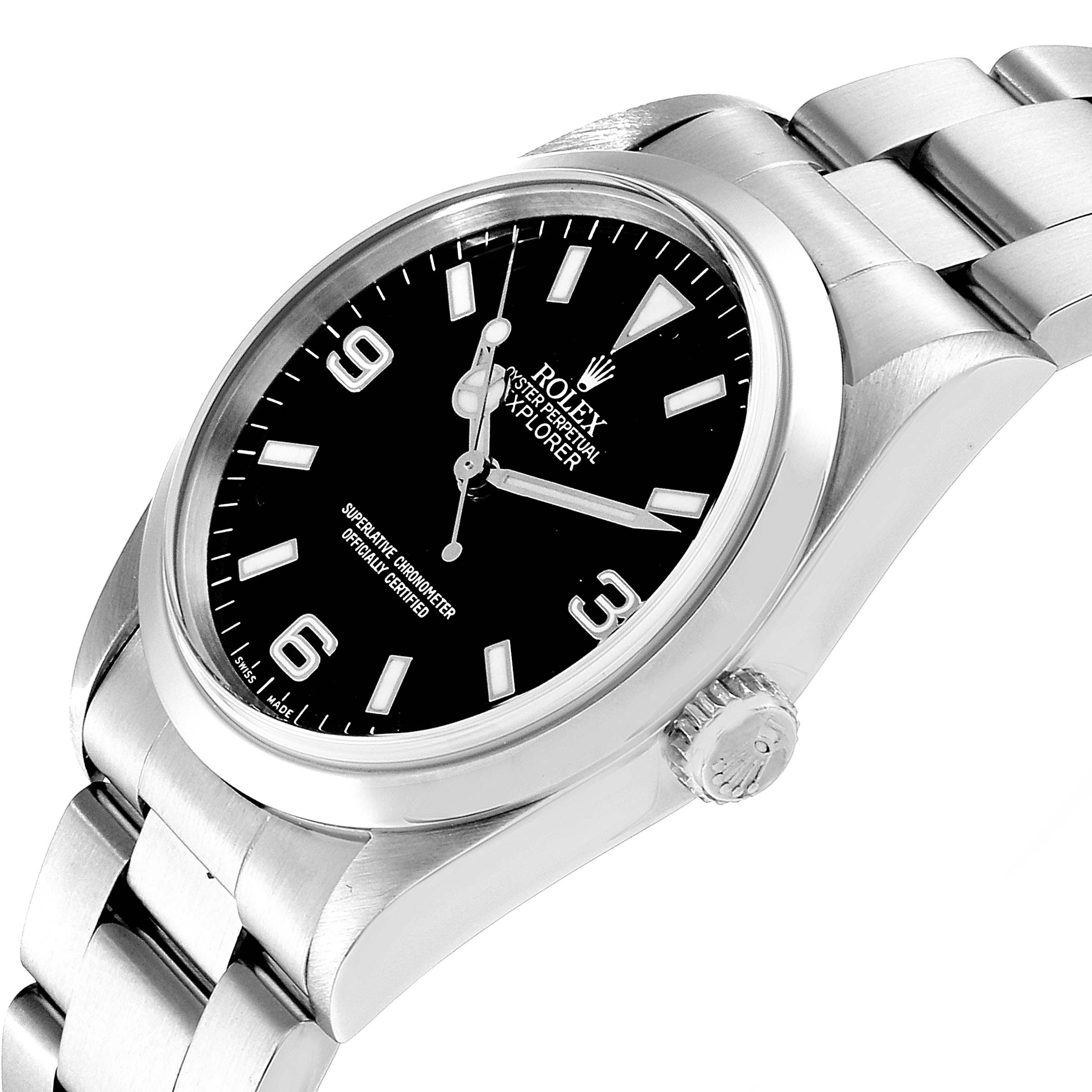
Rolex Explorer I Black Dial Stainless Steel Mens Watch 14270
Lowest price luxury watchfamily owned since 1979free overnight shipping

Rolex Explorer 1 ref 1016 Gilt Tropical Dial circa 1967
Lowest price luxury watchfamily owned since 1979free overnight shipping

Rolex Explorer 1 ref 14270 "Tuminova" circa 1997
Lowest price luxury watchfamily owned since 1979free overnight shipping
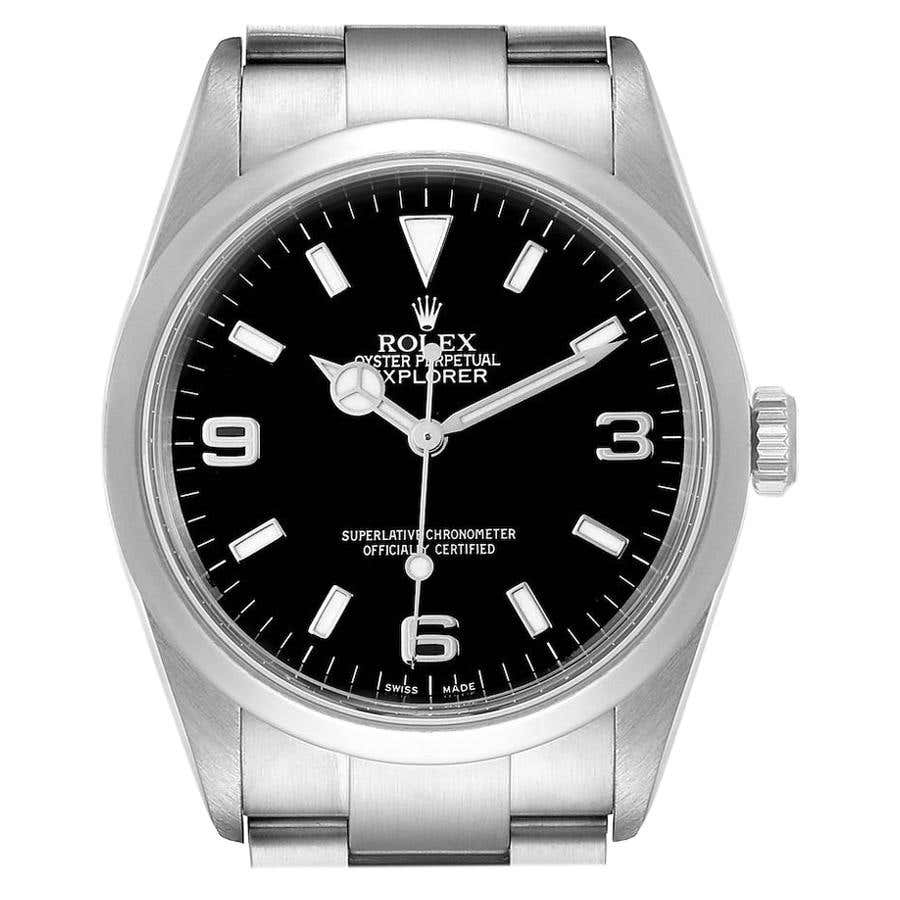
Rolex Explorer I Black Dial Stainless Steel Men’s Watch 114270 Box For
Lowest price luxury watchfamily owned since 1979free overnight shipping
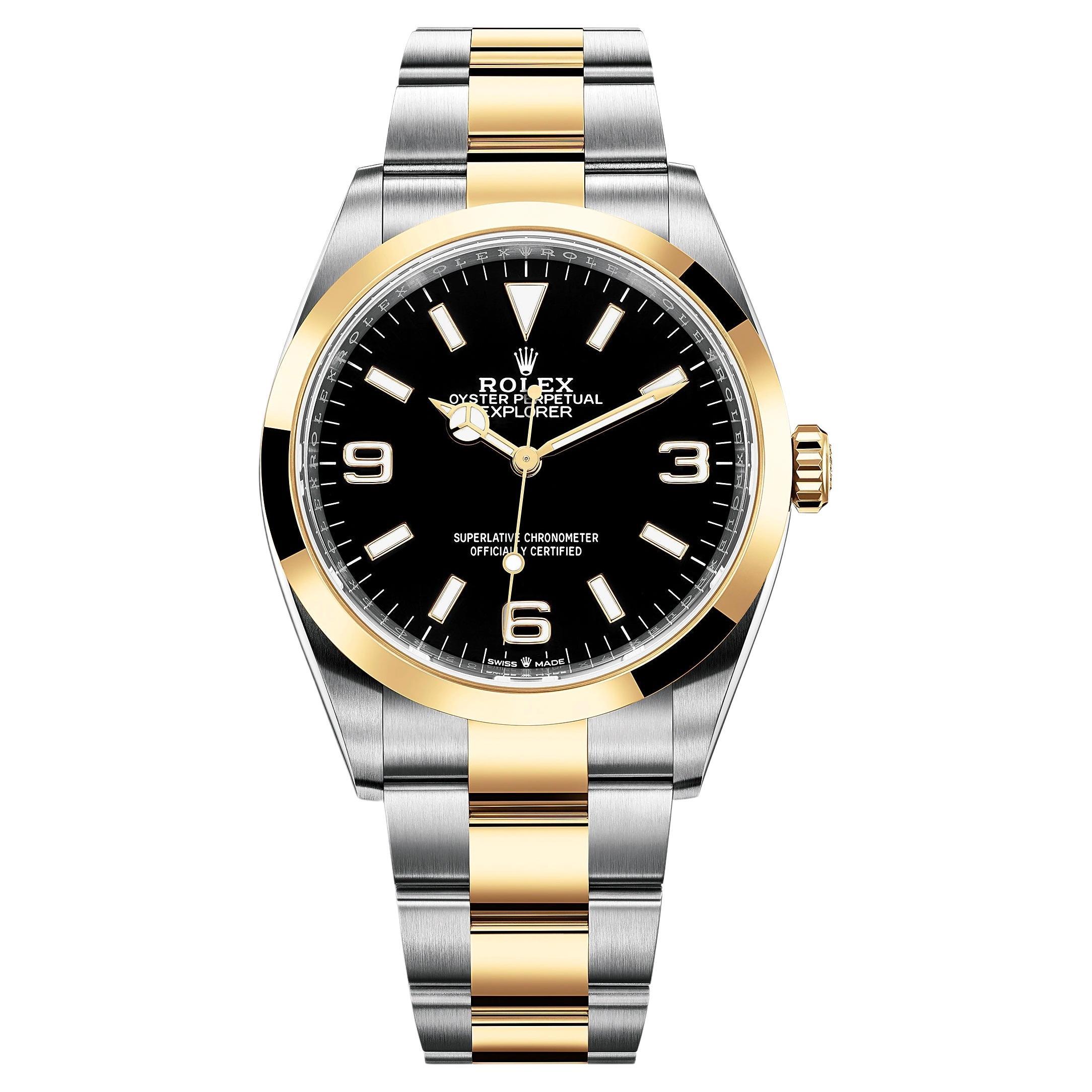
Rolex Explorer, TwoTone, 124273, Unworn Watch, 2022, Complete For Sale
Lowest price luxury watchfamily owned since 1979free overnight shipping
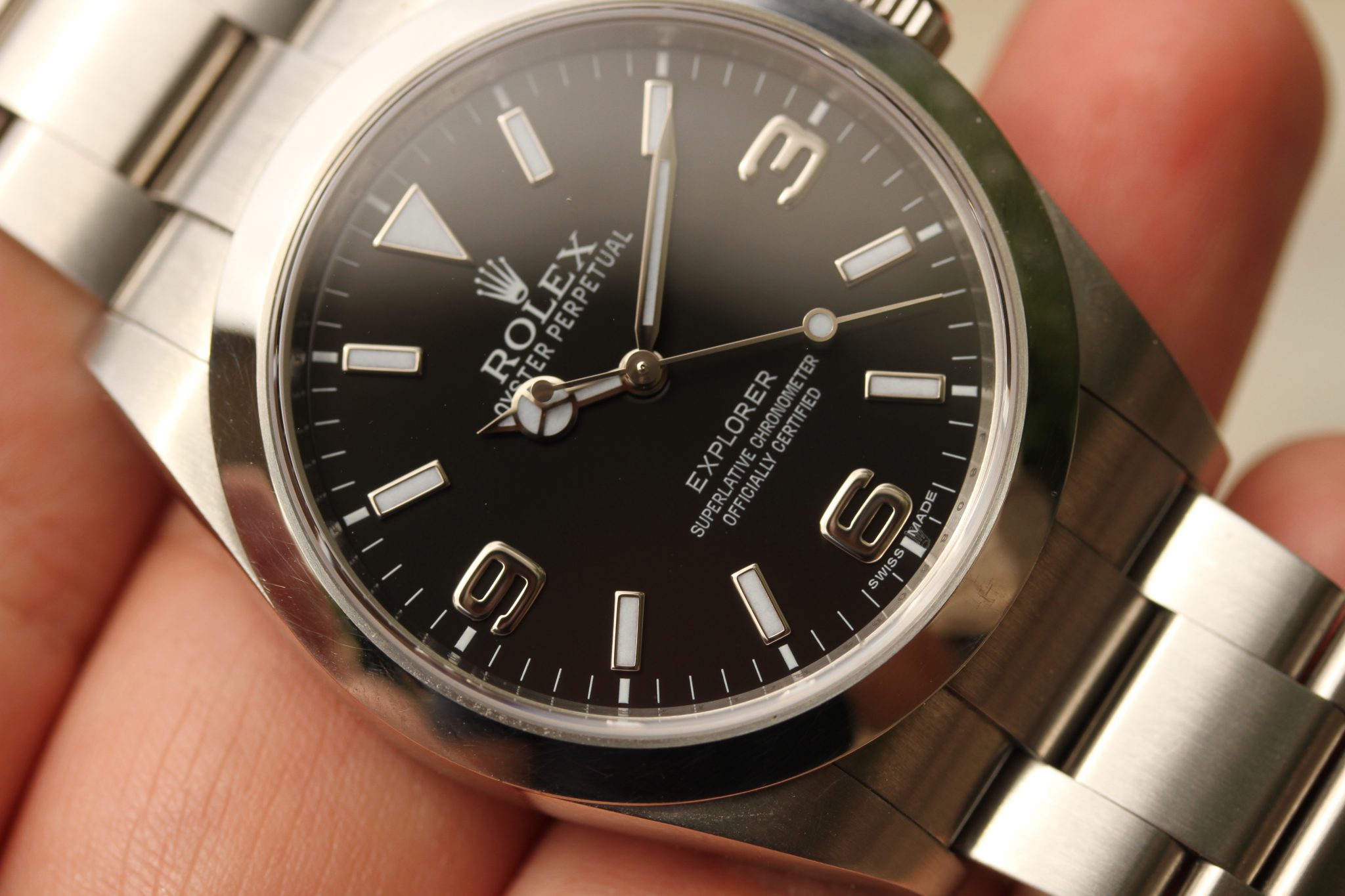
Rolex Explorer 1 ref. 214270 "39mm, MK1 Dial" Lunar Oyster Buying
Lowest price luxury watchfamily owned since 1979free overnight shipping
![[WTS] Rolex Explorer 1 ref. 14270 36mm r/Watchexchange](https://external-preview.redd.it/emwR6GSQC0JWhL60ndTUPAUw6xb29g9hpf8SZZJ0i9Y.jpg?auto=webp&s=af1e37a953f354819accde8ad0b7b8cd0aae1a90)
[WTS] Rolex Explorer 1 ref. 14270 36mm r/Watchexchange
Lowest price luxury watchfamily owned since 1979free overnight shipping
For example, someone might be able to purchase a used smartphone or laptop with the same features and specifications as a brand-new model, but at a significantly reduced price. This has made it easier for people to find items that might have otherwise been out of reach, whether it’s a rare collectible, an antique, or a product from another country. Whether it’s an item, a service, or even a person, the act of being “for sale” represents a moment of transition, a shift from one stage of life to another. The resale of pre-owned clothing has become a booming industry in recent years, with second-hand stores and online marketplaces thriving as more consumers opt for affordable, sustainable alternatives to fast fashion. At its core, “for sale” signifies that something is available for purchase, but beyond that, it tells a story of desire, exchange, and transition. Books, records, and collectibles are also highly sought after in the second-hand market. Similarly, during periods of economic growth, there may be a greater willingness to spend on luxury second-hand items, such as high-end fashion or collectible items. The very notion that everything can be bought and sold creates a society where inequality is not just accepted, but ingrained in the very structure of the economy. Just as with material possessions, when a person is “for sale,” they put their value on display for others to assess. Additionally, second-hand furniture allows buyers to find unique items that may not be available in traditional furniture stores. They become part of the story of the buyer and the creator, connecting people to a tradition of excellence, heritage, and care. When a car is put up for sale, it can feel like letting go of a part of one’s journey. Sometimes, a sale can feel like the closing of one chapter and the opening of another. In a world where everything is for sale, it’s easy for the vulnerable and the marginalized to be taken advantage of. In this broader sense, the concept of “for sale” is not just about the exchange of goods; it’s a driving force in the global economy, influencing how people live, work, and interact with the world around them. Acquiring an established business can provide a head start in terms of customer relationships, operational systems, and brand recognition. In this sense, online second-hand markets have not only made pre-owned goods more accessible but have also made them more desirable, offering an alternative to the mass-produced, one-size-fits-all nature of new products. In the realm of electronics, a quality product, such as a high-end camera or a premium laptop, can perform reliably for years, often outlasting cheaper alternatives. For fashion-conscious individuals, buying second-hand is a way to express their personal style while also supporting sustainable practices. It’s a small but significant way to make a positive impact on the planet, especially when one considers the volume of waste generated by fast fashion, electronic waste, and disposable goods.
The result is a society that increasingly prioritizes consumption over connection, profit over meaning, and exchange over understanding. These brick-and-mortar stores offer a different shopping experience, one that is often characterized by the thrill of the hunt. Another aspect that contributes to the appeal of quality goods for sale is the level of detail and attention given to the design. The adage “you get what you pay for” rings especially true in the realm of quality goods. It forces us to ask difficult questions about ownership, worth, and the limits of human desire. For the seller, the goal is often to maximize the value of the business, while for the buyer, the focus is on ensuring that the investment is sound and that the business can continue to thrive under new ownership. The environmental benefits of buying second-hand goods go beyond just reducing the need for new production. This can bring about feelings of uncertainty, as there’s no guarantee that the right buyer or partner will come along. Sometimes, a sale can feel like the closing of one chapter and the opening of another. But the financial aspect is only one part of the equation. A home, a car, a piece of jewelry, a moment in time, a relationship — all of these things, at some point, become commodities. In the age of immediacy, it can often feel as though many goods are made with built-in obsolescence, created to be replaced every few years. These platforms allow users to browse listings, communicate with sellers, and make purchases from the comfort of their own homes. It’s a world where even personal growth, self-actualization, and emotional healing are framed as commodities, available for purchase at any time, but only if you’re willing to pay the price. Their inherent value comes not only from their physical characteristics but also from the values of durability and sustainability. For sellers, online platforms provide a global marketplace, allowing them to reach a wider audience than they would through traditional brick-and-mortar stores. The idea of “everything for sale” challenges our understanding of what is sacred, what is essential, and what is truly priceless. When an item is marked as “for sale,” it enters a space where value is defined not only by the object itself but by the context in which it’s placed. The perceived high cost of these items has led some to opt for cheaper alternatives. In this world, emotions can feel like products, available to be consumed at will and disposed of when they no longer serve a purpose.