Sold Homes For Sale – Whether it’s a car, a house, or a simple piece of furniture, there’s a process that unfolds. For those considering buying a business, the appeal often lies in the opportunity to take over an existing operation and build upon its foundation. Social movements and grassroots organizations work tirelessly to provide resources and support to those who need it, often without expecting anything in return. The perceived high cost of these items has led some to opt for cheaper alternatives. People can be bought and sold in the form of labor, for example, and loyalty can be traded for material gain. For the seller, the goal is to achieve the highest price possible for the business, while for the buyer, the goal is often to secure a fair price that reflects the true value of the business. The very notion that everything can be bought and sold creates a society where inequality is not just accepted, but ingrained in the very structure of the economy. The buying and selling of companies, brands, and even entire industries can reshape economies, alter job markets, and redefine how goods and services are delivered. Whether buying or selling, the process requires careful consideration, transparent communication, and a thorough understanding of both the financial and operational aspects of the business. Whether through their durability, aesthetic appeal, or the values they embody, these products go beyond simple transactions. With the rising costs of new products, especially in categories like electronics, clothing, and furniture, purchasing second-hand items can offer significant savings. It’s a moment of transition, and as with all transitions, it brings with it both excitement and uncertainty. We live in a society where people constantly trade their time for money, their expertise for compensation, their dreams for tangible rewards. It carries with it a deep sense of commodification — the idea that every part of our lives, every piece of our history, every corner of our existence, has a price attached to it. When you buy something made from premium materials, crafted with attention to detail, and tested for reliability, you can expect it to deliver value that surpasses its initial cost. Second-hand record stores and online marketplaces like Discogs have become hotspots for vinyl enthusiasts, providing a platform for buying, selling, and trading records. Thrift stores, consignment shops, and online marketplaces like eBay and Poshmark provide a platform for people to sell or buy pre-owned high-quality goods. The production of new goods often requires significant resources, such as raw materials, energy, and labor, while also generating waste and contributing to pollution. As society has evolved, the scale of production has expanded, and many quality goods are now mass-produced or distributed through large retail chains. Unlike starting a business from scratch, which requires time to build a reputation and establish market credibility, buying an existing business means stepping into an environment where some of the groundwork has already been done.
10 BestKept Secrets for Selling Your Home HGTV
Homes sold by zipcoderecently sold homesfind local home valuessell your house fast

Sold Home For Sale Sign In Front Of New House Royalty Free Stock
Homes sold by zipcoderecently sold homesfind local home valuessell your house fast

Sold Home For Sale Sign in Front of Beautiful New House. Western
Homes sold by zipcoderecently sold homesfind local home valuessell your house fast

Must Sell, Private Luxury Distressed Homes for sale Olympia, WA
Homes sold by zipcoderecently sold homesfind local home valuessell your house fast
Home Sellers The Real Estate Works Winston Salem
Homes sold by zipcoderecently sold homesfind local home valuessell your house fast

2100 S Salemburg Hwy, Salemburg, NC 5 Bed, 5 Bath SingleFamily Home
Homes sold by zipcoderecently sold homesfind local home valuessell your house fast
The Unexpected Thing You Can Do to Instantly Increase Your Home's Value
Homes sold by zipcoderecently sold homesfind local home valuessell your house fast

Latest Sold Fredericksburg Real Estate Journal Fredericksburg Realty LLC
Homes sold by zipcoderecently sold homesfind local home valuessell your house fast
Selling Your House with a Realtor in Tennessee (All the Tips & Lists
Homes sold by zipcoderecently sold homesfind local home valuessell your house fast
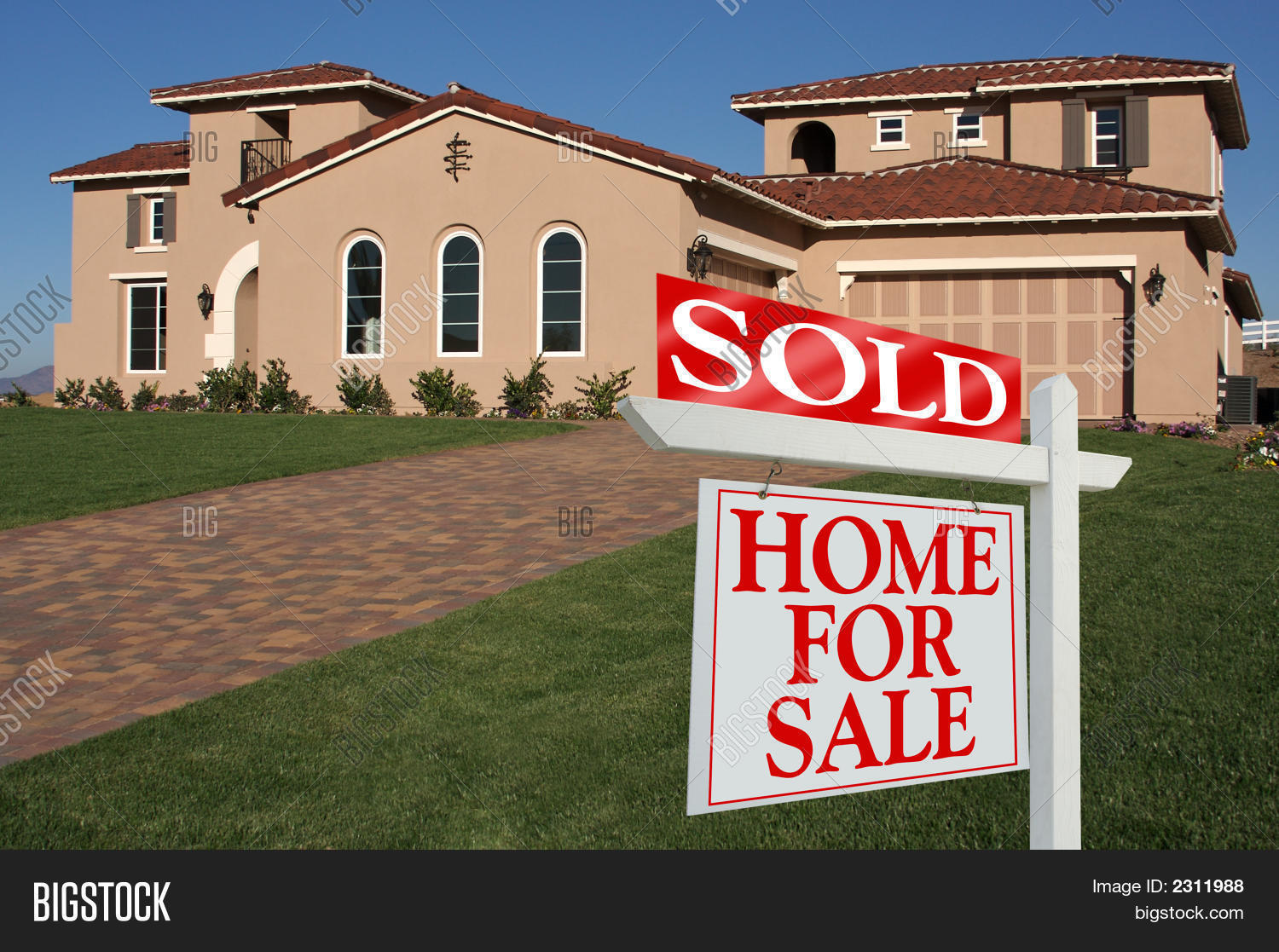
Sold Home Sale Sign Image & Photo (Free Trial) Bigstock
Homes sold by zipcoderecently sold homesfind local home valuessell your house fast
Through online marketplaces and platforms, small businesses and independent creators can sell their goods to a global audience. What was once limited to boutique shops or high-end department stores can now be purchased from the comfort of one’s home. Quality goods transcend trends and fleeting fads. Whether it’s the smooth finish of a well-polished wooden table or the satisfying feel of a perfectly balanced knife in your hand, quality goods evoke a sense of pride in their ownership. One of the primary reasons people turn to second-hand goods for sale is financial. In many cases, sellers may work with business brokers, financial advisors, or accountants to help value the business and identify potential buyers. These platforms have also made it easier for individuals to sell their own pre-owned goods, turning unused or unwanted items into cash. For people looking to furnish their homes, build a wardrobe, or invest in certain hobbies or collections, second-hand goods often provide a way to access items they might otherwise be unable to afford. Many second-hand clothing stores and online platforms specialize in curating high-quality, gently used apparel, making it easy for consumers to find fashionable items that align with their tastes. We start to treat people as commodities, too — as means to an end, as tools for achieving personal success or social status. In conclusion, second-hand goods for sale represent more than just a financial transaction; they embody a shift toward sustainability, individuality, and social responsibility. Millennials and Gen Z, in particular, have embraced the idea of second-hand shopping as a way to challenge consumerism, reduce waste, and express their individuality. When you look at something marked as “for sale,” you’re not only seeing an item; you’re seeing the possibility of a change, whether it’s the beginning of a new ownership, the end of a relationship with an object, or simply the result of a decision to move forward. Websites like eBay, Craigslist, Facebook Marketplace, and Poshmark have made it easier than ever for individuals to sell their unwanted items and for buyers to find exactly what they are looking for. It’s a small but significant way to make a positive impact on the planet, especially when one considers the volume of waste generated by fast fashion, electronic waste, and disposable goods. For those on the outside looking in, the idea of acquiring an existing business might seem both enticing and overwhelming. The focus on longevity and reliability is what sets these goods apart from their mass-market counterparts. It may have been passed down, carefully preserved, and lovingly maintained. From the most trivial items in a dollar store to the most precious works of art in a museum, everything can be assigned a price. When everything becomes a transaction, we risk losing sight of what truly matters.
For example, an old wooden chair might be sanded down and refinished into a modern piece of furniture, or a vintage dress might be altered to fit a contemporary style. In the end, the real challenge is to navigate this world — to understand the forces of commerce that shape our lives, while holding onto those things that remain beyond the reach of money. The same logic applies to tools, kitchen appliances, furniture, and even technology. In some cases, selling second-hand items can be a way to make a significant profit, especially if the items are rare, vintage, or in high demand. Similarly, in relationships, individuals may feel as though they are selling themselves, presenting their best qualities and hoping for the best outcome. For sellers, the challenge lies in pricing items fairly and accurately representing their condition. It is only through diligent research that a buyer can truly determine whether the business is worth the asking price. The materials, labor, and expertise that go into crafting these items naturally make them more expensive. On the other, there’s the challenge of assessing the true value of a business, navigating the complex negotiations, and ensuring that the business is a sound investment in terms of both its financial health and its long-term viability. The “for sale” sign becomes a marker in time, a decision that has been made, signaling that it’s time to move on. Everything for sale. While there are certainly markets where affordable goods are a necessity, quality goods for sale often come with a premium price tag. In this broader sense, the concept of “for sale” is not just about the exchange of goods; it’s a driving force in the global economy, influencing how people live, work, and interact with the world around them. But what about the intangible things? Can memories be bought? Can feelings, emotions, or connections be traded? In a sense, many people would argue that in today’s world, even the intangible is up for grabs. This practice is an essential aspect of sustainability, as it helps conserve resources and reduces the amount of waste sent to landfills. In many cases, sellers may work with business brokers, financial advisors, or accountants to help value the business and identify potential buyers. The materials used, whether it’s hardwood, durable fabrics, or premium upholstery, are chosen for their longevity and aesthetic appeal. For example, someone might be able to purchase a used smartphone or laptop with the same features and specifications as a brand-new model, but at a significantly reduced price. A car might be sold because it no longer serves the needs of its owner, or perhaps the owner is simply ready for a change. Thrift stores, estate sales, and online marketplaces are excellent places to find second-hand furniture, with options ranging from antique and vintage pieces to more contemporary items.