Used Hammerhead Pool Vacuum For Sale – They also often help with legal and financial aspects, ensuring that the transaction is completed smoothly and efficiently. The car represents possibility, and when it changes hands, it takes on new significance, a new role in a different life. Many people continue to resist the notion that everything has a price, and they fight to reclaim what is meaningful and valuable in life. It’s about change, opportunity, and the negotiation of value. For those looking to sell, the online marketplace offers the chance to reach a larger audience, increasing the chances of finding the right buyer. Vintage clothing, in particular, has gained a significant following, with people seeking out unique, one-of-a-kind pieces that cannot be found in mainstream stores. Perhaps the most troubling aspect of the idea that everything is for sale is how it can shape the way we view the world and each other. A house can be bought, a car can be sold, a watch can be pawned. Therapists offer their services for a fee, and online courses promise to give us the knowledge we need to succeed — all in exchange for money. People are increasingly looking for quality over quantity, preferring items that are durable, timeless, and well-made. While buying and selling second-hand items can come with its challenges, the rewards—both financially and environmentally—make it a worthwhile pursuit for many people. The culture of buying second-hand goods is rapidly shifting in the modern world, particularly among younger generations. And, in a way, this is the ultimate form of freedom: the ability to buy, sell, and trade on your own terms. In a circular economy, items are kept in use for as long as possible, reducing the need for new resources and minimizing environmental harm. When someone buys a second-hand item, whether it’s a piece of furniture passed down through generations or a retro jacket from a bygone era, they are not just acquiring an object; they are connecting to a story, a memory, or a cultural moment. In this sense, online second-hand markets have not only made pre-owned goods more accessible but have also made them more desirable, offering an alternative to the mass-produced, one-size-fits-all nature of new products. In some cases, buyers may also acquire businesses with existing intellectual property, such as patents, trademarks, or proprietary technologies, which can offer a competitive edge in the market. While the sale of a business can provide a valuable opportunity for both parties involved, it also carries risks. When consumers buy these goods, they are investing in both the product and the people behind it. Both the buyer and the seller are seeking the best possible terms, and finding common ground can be a challenge.
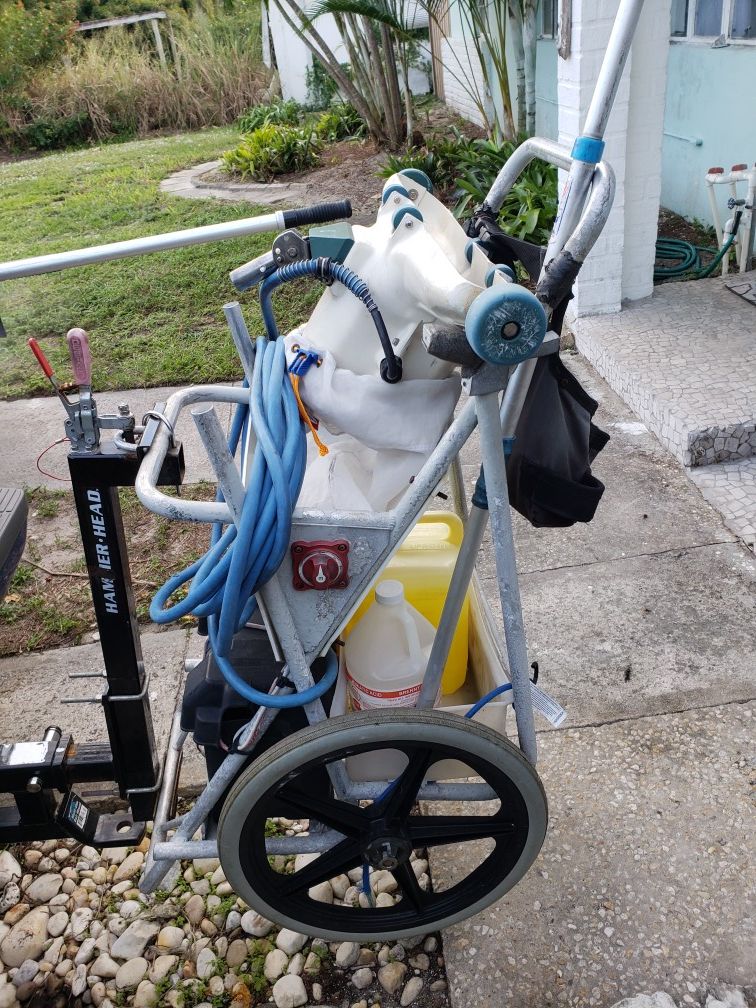
Hammerhead resort 21 pool vacuum for Sale in West Palm Beach, FL OfferUp
Best dealsshop & savelimited time dealsget the best deals
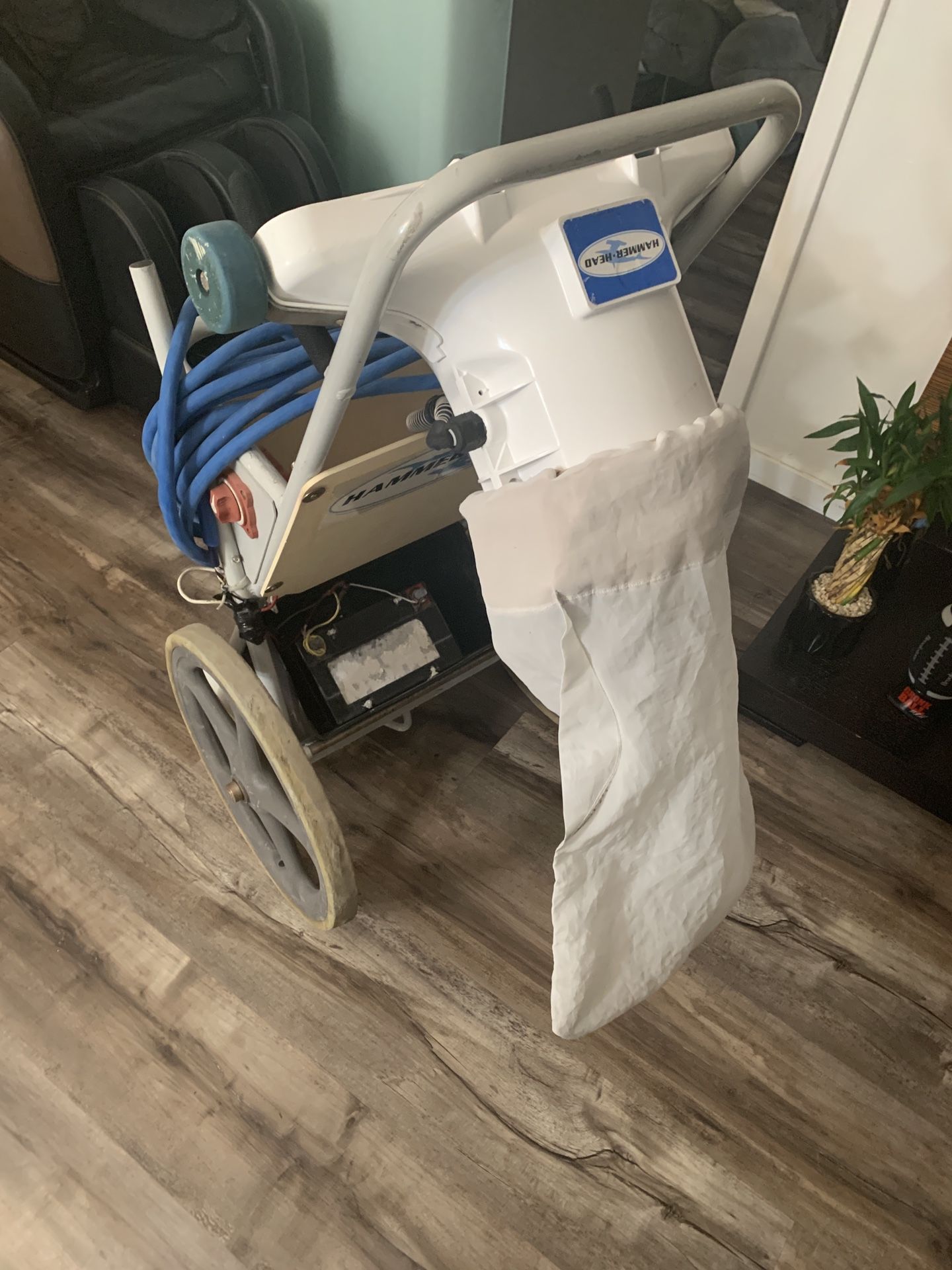
Hammerhead pool vacuum for Sale in Miami, FL OfferUp
Best dealsshop & savelimited time dealsget the best deals
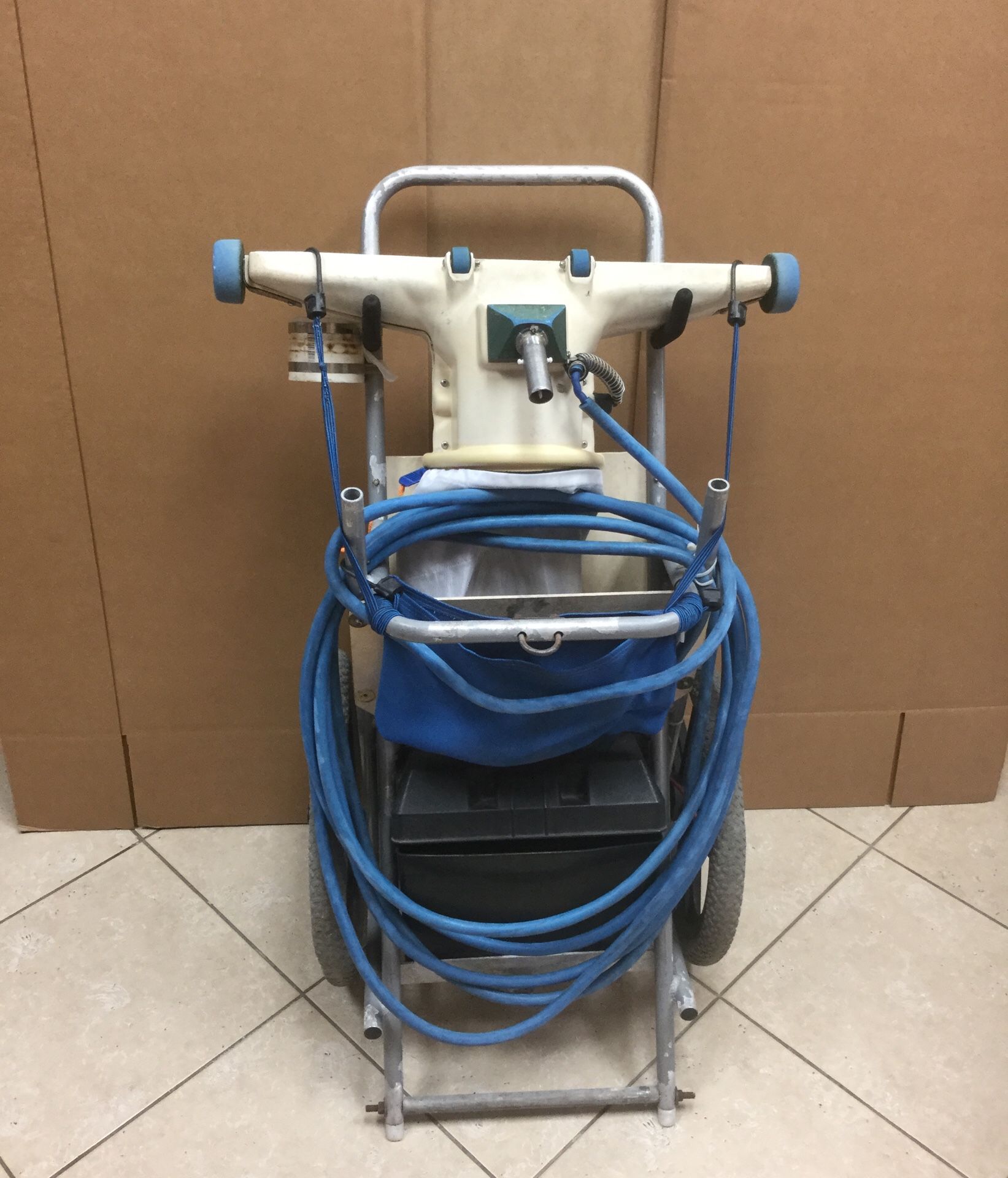
HAMMERHEAD POOL VACUUM 30” With On Board Charger and Battery for Sale
Best dealsshop & savelimited time dealsget the best deals
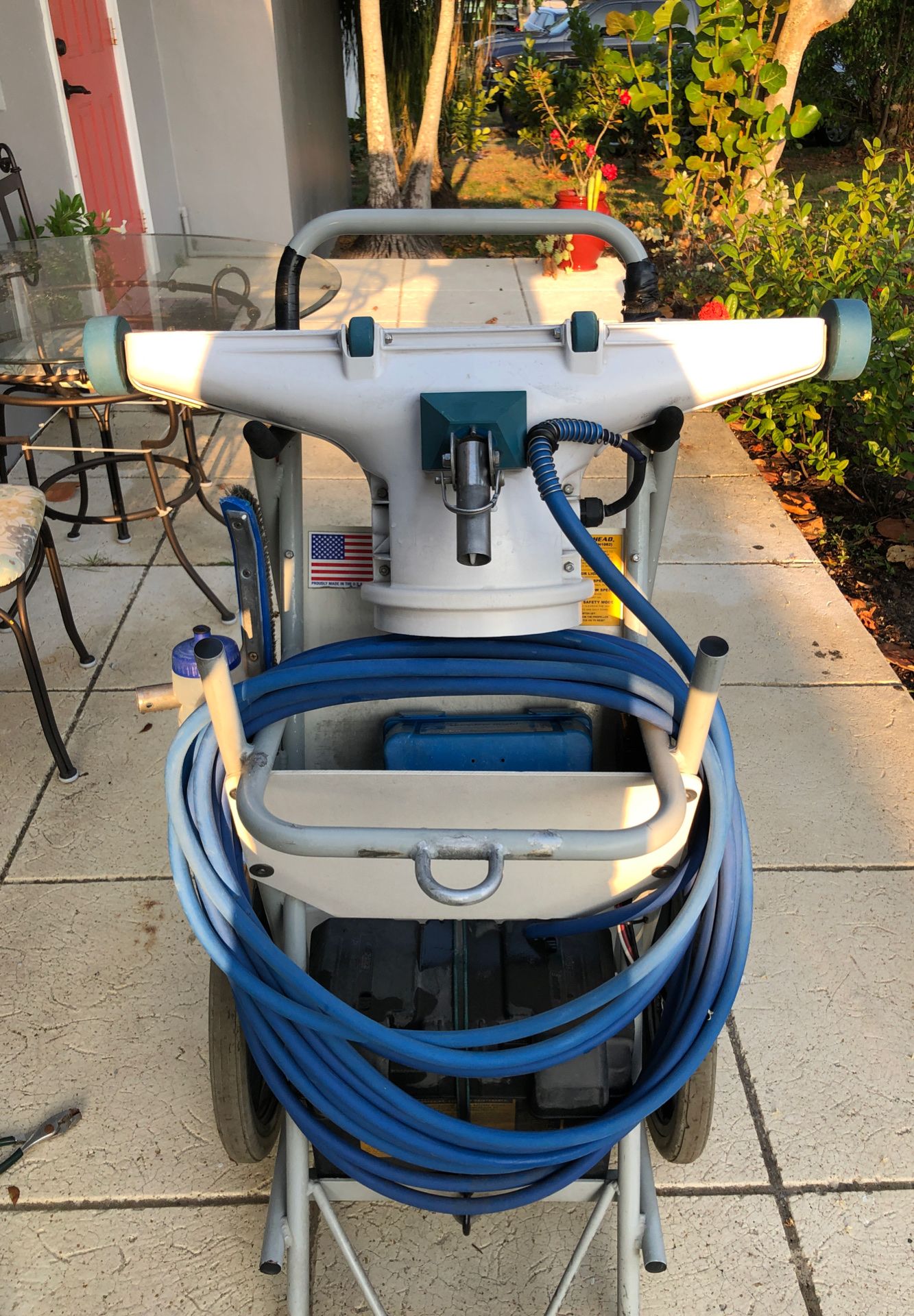
Big Hammerhead pool vacuum for Sale in Boca Raton, FL OfferUp
Best dealsshop & savelimited time dealsget the best deals

Hammerhead Service 21" Pool Vacuum
Best dealsshop & savelimited time dealsget the best deals
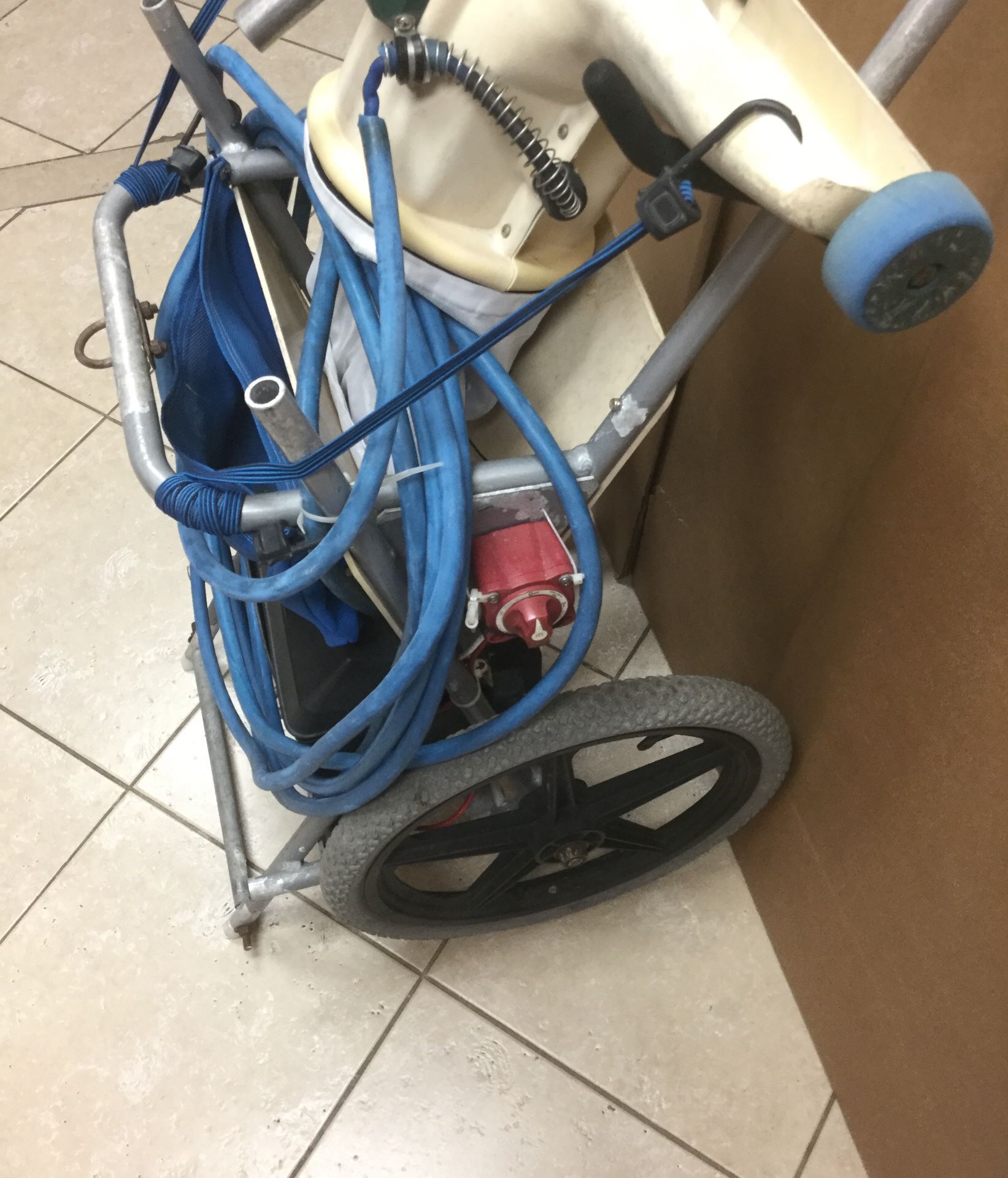
HAMMERHEAD POOL VACUUM 30” With On Board Charger and Battery for Sale
Best dealsshop & savelimited time dealsget the best deals
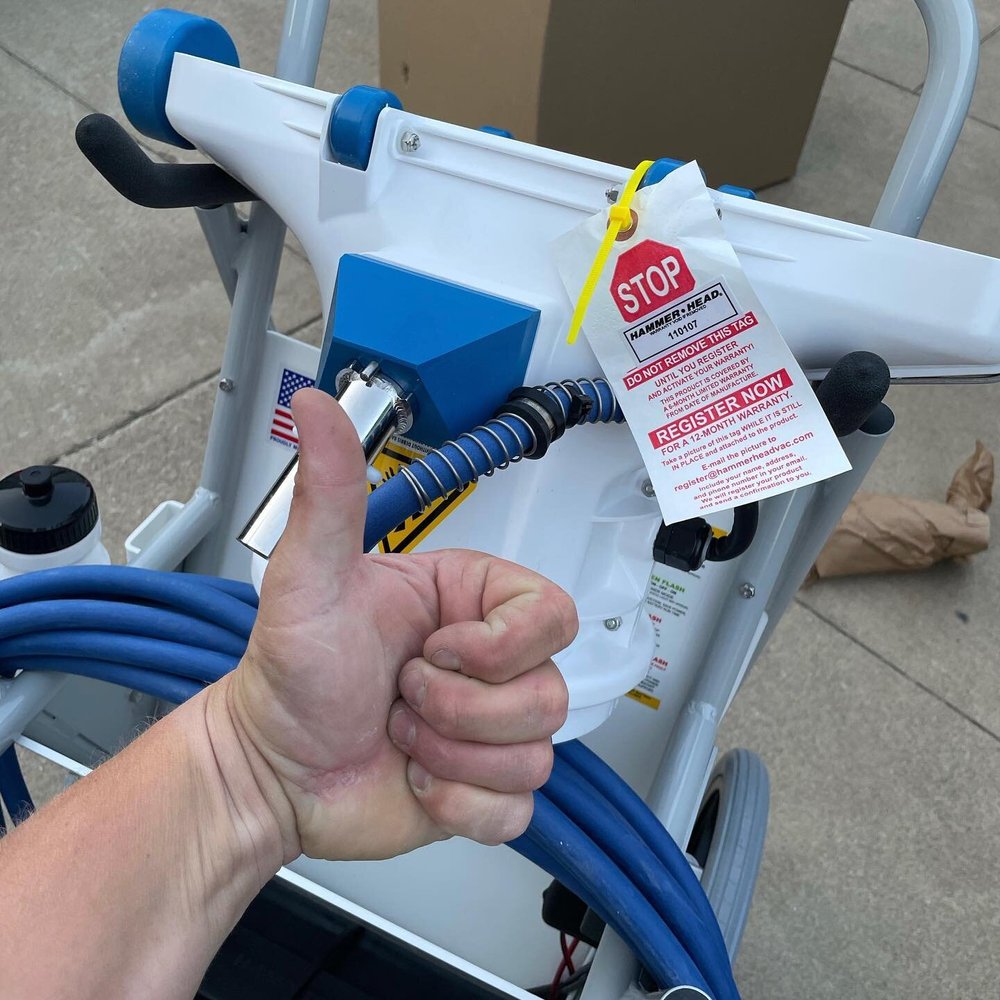
WHERE TO BUY HAMMERHEAD POOL CLEANERS HAMMERHEAD POOL VACUUMS
Best dealsshop & savelimited time dealsget the best deals
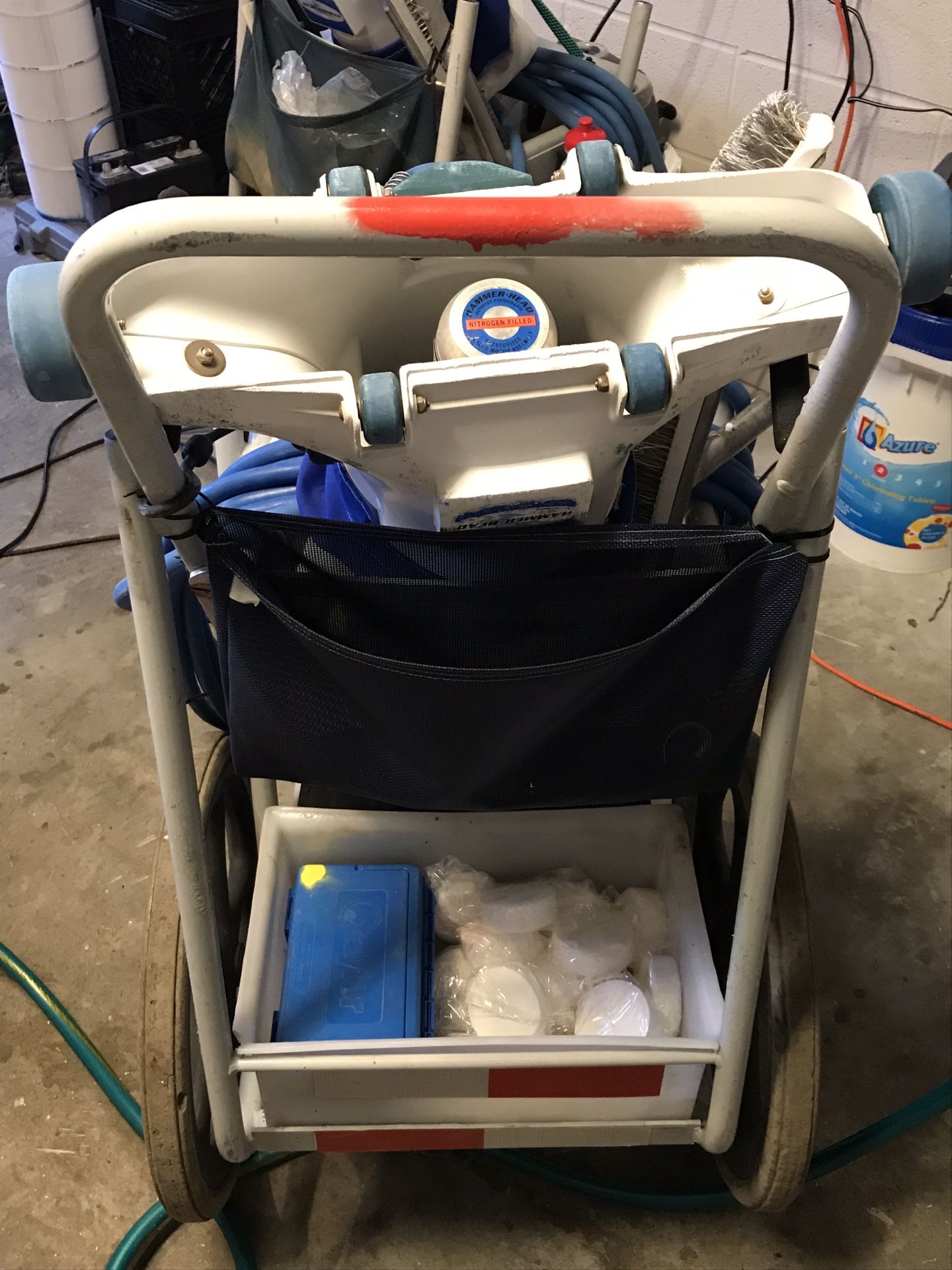
Hammerhead pool vacuum for Sale in Jupiter, FL OfferUp
Best dealsshop & savelimited time dealsget the best deals
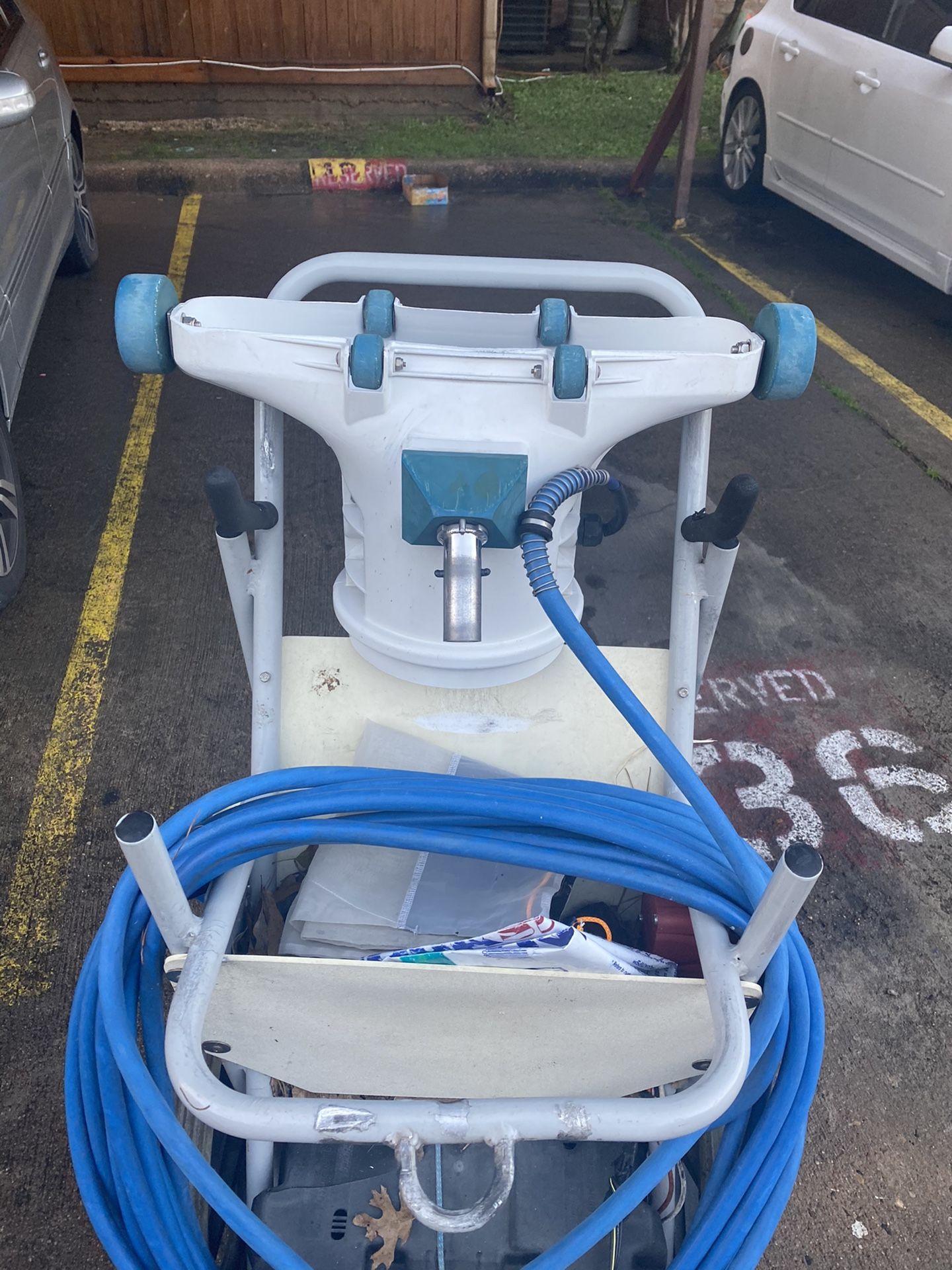
HammerHead Pool Vacuum for Sale in Houston, TX OfferUp
Best dealsshop & savelimited time dealsget the best deals

Hammerhead Pool Vac for Sale in Tamarac, FL OfferUp
Best dealsshop & savelimited time dealsget the best deals
These goods, once owned and used by someone else, offer a unique opportunity for both sellers and buyers to exchange items that might otherwise go unused. Whether it’s funding education, supporting homelessness services, or providing medical assistance, the money spent in second-hand shops can contribute to making a difference in the lives of others. This sense of connection can also extend to the broader culture of quality goods, where consumers and creators share a commitment to excellence and a desire to preserve the craft and tradition behind these products. In recent years, the market for businesses for sale has been affected by several global and local economic factors. One of the primary reasons people turn to second-hand goods for sale is financial. Many factors can influence the negotiation, such as the business’s financial performance, industry trends, and the level of interest from other buyers. For the seller, there is the risk that they may not be able to find a buyer who is willing to pay the desired price, or that the sale may not go through as planned. With the rise of e-commerce, the accessibility of quality goods for sale has expanded exponentially. Many people find that buying second-hand furniture allows them to acquire high-quality pieces that are built to last, often with a level of craftsmanship that is hard to find in mass-produced furniture. While some people may be hesitant to purchase pre-owned electronics due to concerns about quality or reliability, the second-hand market for electronics has become increasingly trustworthy. There’s a certain art to selling something. Whether it’s an item, a service, or even a person, the act of being “for sale” represents a moment of transition, a shift from one stage of life to another. And, in a way, this is the ultimate form of freedom: the ability to buy, sell, and trade on your own terms. By purchasing second-hand goods, consumers help keep products circulating in the economy, giving them new life and purpose. For many people, there is something uniquely satisfying about sifting through racks of clothes, rummaging through bins of books, or browsing shelves of home goods in search of that perfect item. This shift from a linear economy, where products are made, used, and disposed of, to a circular one, where products are continually reused and repurposed, is a step towards a more sustainable and environmentally friendly world. For some, selling something may feel like a sacrifice, while for others, it may feel like an investment in their future. This stage can involve a variety of specialists, such as accountants, lawyers, and industry experts, who can provide a comprehensive evaluation of the business. This leads to the accumulation of waste that ends up in landfills, contributing to pollution and the depletion of valuable resources. In conclusion, the market for second-hand goods for sale is an ever-growing and dynamic space that offers numerous benefits to both buyers and sellers.
A car might be sold because it no longer serves the needs of its owner, or perhaps the owner is simply ready for a change. When you buy something made from premium materials, crafted with attention to detail, and tested for reliability, you can expect it to deliver value that surpasses its initial cost. With the rise of online platforms and a growing cultural shift toward sustainability, the second-hand market continues to thrive, providing consumers with more options and opportunities than ever before. The artist who created it may have one understanding of its worth, while a collector may see it as a valuable investment, and a casual admirer might simply appreciate its beauty without considering its monetary value. The concept of quality, however, is not a one-size-fits-all. In this broader sense, the concept of “for sale” is not just about the exchange of goods; it’s a driving force in the global economy, influencing how people live, work, and interact with the world around them. This connection between consumers and the creators of quality goods is something that’s been fostered for centuries. But is this a reflection of reality? Or is it an illusion we’ve created, an idea we’ve accepted in order to make sense of a world that increasingly revolves around consumption and profit?
At the core of this idea lies the assumption that everything, no matter how unique or rare, can be exchanged. But what about the intangible things? Can memories be bought? Can feelings, emotions, or connections be traded? In a sense, many people would argue that in today’s world, even the intangible is up for grabs. Conversely, periods of economic growth may lead to more businesses being sold due to increased valuations and higher demand. But the financial aspect is only one part of the equation. For the seller, there is the risk that they may not be able to find a buyer who is willing to pay the desired price, or that the sale may not go through as planned. One of the major environmental concerns with new products is the waste that they often generate at the end of their life cycle. Second-hand record stores and online marketplaces like Discogs have become hotspots for vinyl enthusiasts, providing a platform for buying, selling, and trading records. For the buyer, it can feel like a great opportunity, a chance to acquire something they’ve been searching for, or maybe just the satisfaction of knowing that a good deal is within reach. While the online second-hand market has flourished, traditional thrift stores and second-hand shops continue to play an important role in the buying and selling of pre-owned goods. Just as with material possessions, when a person is “for sale,” they put their value on display for others to assess. As society has evolved, the scale of production has expanded, and many quality goods are now mass-produced or distributed through large retail chains. For those who enjoy the tactile experience of shopping and the sense of discovery that comes with it, thrift stores offer a personal and immersive way to shop for second-hand items. This has made it easier for people to find items that might have otherwise been out of reach, whether it’s a rare collectible, an antique, or a product from another country.